

 Our Shared Values
 Our Business
 Our Achievements
 Our Governance
 Our Leadership
 Conservation Management & Monitoring
 Climate Change
 Community Engagement
 Partnerships & Memberships
 Human Rights & Labour
 Responsible Sourcing
 Responsible Production
 Certifications
 Sustainability Report
 Palm-based Food Products
 Other Food Products
 Oleochemicals
 Bioenergy
 Seeds
Seeds Sugar
Sugar Shipping & Logistics
 Food & Nutrition Innovation
 Animal Nutrition
 Press Releases
 Stories
 Meet Our Experts
 In the News
 Publications
 Shareholder Information
 Financial Highlights, Reports & Presentations
 SGX Filings
 Analyst Coverage
 Prospective Suppliers
 Support for Palm Suppliers
 Existing Non-Palm Suppliers
 FAQ
FAQ Graduates & Professionals
 Scholarships
 Internships & Traineeships

Some ingredients quietly hold the world together. Glycerine is one of them. Found in food, skincare, medicine, and even industrial products, this clear liquid plays a role most of us barely notice, yet rely on every single day.
Its journey is as fascinating as its uses. Once seen mainly as an unwanted by-product, glycerine has become a backbone of modern formulations – valued for its ability to hydrate, stabilise, and protect. At GAR, we refine palm-based glycerine from palm oil, producing a versatile ingredient that enhances formulations from medicine to cosmetics to industrial products.
What glycerine is, and why you find it everywhere
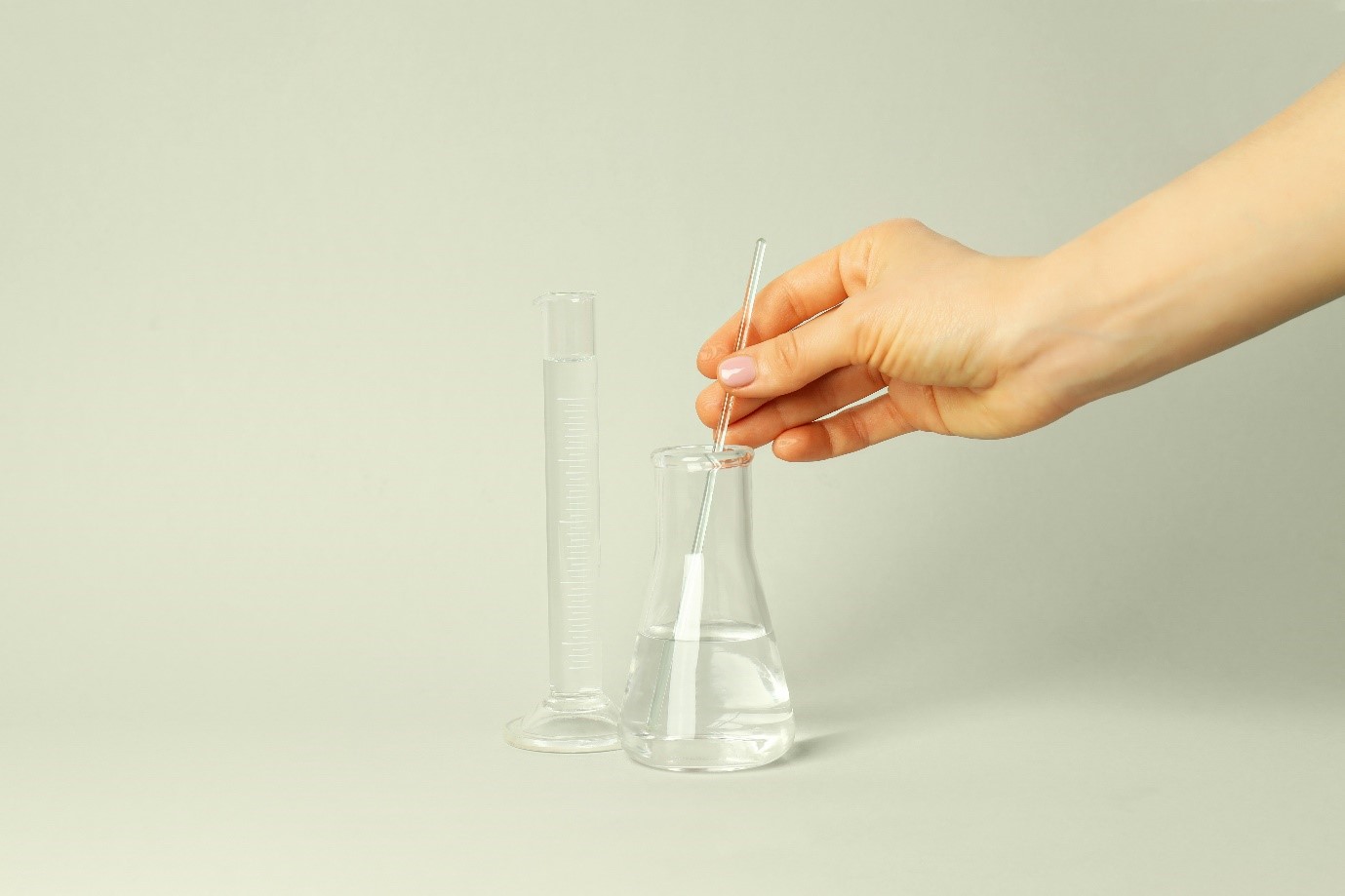
Glycerine is simple in appearance, yet powerful in function. It is clear, odourless, and slightly sweet. Its ability to hold moisture, improve texture, and carry active ingredients makes it indispensable across industries.
What makes glycerine a universal ingredient?
| Property | What it does | Application examples |
|---|---|---|
| A Humectant | Retains moisture and keeps formulations soft | Skin creams, toothpaste, hand sanitisers |
| A Carrier | Delivers active ingredients evenly | Serums, pharmaceutical drops |
| An Industrial Agent | Offers cryoprotectant, plasticising, and lubricating properties | Anti-freeze, paints, brake fluids |
| A Texturiser & Base | Acts as a building block for emulsifiers such as glycerol monostearate (GMS) and distilled monoglycerides (DMG), which stabilise and improve consistency | Processed foods, syrups |
| Property | What it does | Application examples |
|---|---|---|
| A Humectant | Retains moisture and keeps formulations soft | Skin creams, toothpaste, hand sanitisers |
| A Carrier | Delivers active ingredients evenly | Serums, pharmaceutical drops |
| An Industrial Agent | Offers cryoprotectant, plasticising, and lubricating properties | Anti-freeze, paints, brake fluids |
| A Texturiser & Base | Acts as a building block for emulsifiers such as glycerol monostearate (GMS) and distilled monoglycerides (DMG), which stabilise and improve consistency |
Processed foods, syrups |
At GAR, we produce palm-based glycerine – a renewable, plant-derived version created through our responsibly managed supply chain. Gentle, effective, and sustainable, it is an ingredient that speaks to the demands of both performance and principles
A second life: How glycerine is made from palm oil
Glycerine can come from different processes that transform palm oil by-products into valuable, high-purity ingredients. Here’s how to do it in three ways:
1. Molecular Unbinding (Direct hydrolysis)
Through hydrolysis, heat and water gently separate glycerol from the fat’s triglyceride bonds. It’s like opening a hidden package to reveal the useful core. This is the primary method used in GAR’s oleochemical plants to obtain palm-based glycerine.


2. Capturing Glycerine in Biodiesel Processing
One of the largest sources of glycerine today is the biodiesel process. When oils and fats are converted into Fatty Acid Methyl Esters (FAME) – the key component of biodiesel – through transesterification, crude glycerine naturally separates as a by-product.
Instead of being lost, this stream is carefully captured, purified, and refined into high-quality glycerine. Alongside glycerine formed from hydrolysis, biodiesel production offers a second reliable and efficient source of glycerine for GAR.


3. Alkaline Release
Saponification is a reaction where oils or fats meet an alkaline solution, producing both soap and glycerine at the same time.
While this process is well known and widely applied in soap making, it is not the route we use at GAR to obtain glycerine. We produce our glycerine mainly via hydrolysis and transesterification.


Every batch of crude glycerine produced through these routes undergoes careful refining. Distillation removes colour and odour, while filtration eliminates impurities. For applications that demand the highest purity, such as personal care and pharmaceuticals, we can add an ion exchange process to strip away trace salts and residual contaminants at the molecular level.
On the ground with: Benny Ahmadi
Production Assistant Manager, SOCI Medan

Meet Benny. He and his team work with precision to transform crude glycerine into a clear, high-quality ingredient on Medan Oleochemicals plant.
“Each batch we handle goes through multiple refining steps – distillation, bleaching, deodorisation, and filtration– before it’s ready to use,” Benny explains. To meet the most stringent requirements from customers in pharmaceutical and personal care, the glycerine can then be further polished through an ion exchange process.
For Benny, quality is more than just numbers. “It’s knowing that what we produce here will become part of medicines, food, or personal care products people use every day. Our partners expect consistency, and we have to deliver it.”
Glycerine in the world: Across industries and formulas
Each grade of glycerine has its own purpose, determined by the level of refining it has undergone. At GAR, we sell three key grades:
| Grade | Origin / Where it goes | Key characteristics |
|---|---|---|
| Crude Glycerine (85%) | First output from biodiesel and oleochemical production | The unrefined starting point, ready for further processing |
| Refined Glycerine (GL997) | Pharmaceuticals, food, personal care | High purity and quality, United States Pharmacopeia (USP)-compliant, making it safe for everyday use |
| Ion Exchange Glycerine | Ultra-sensitive applications (certain pharma, cosmetics, specialised uses) | Extra purification through ion exchange delivers even higher clarity and stability |
| Grade | Origin / Where it goes | Key characteristics |
|---|---|---|
| Crude Glycerine (85%) | First output from biodiesel and oleochemical production | The unrefined starting point, ready for further processing |
| Refined Glycerine (GL997) | Pharmaceuticals, food, personal care | High purity and quality, United States Pharmacopeia (USP)-compliant, making it safe for everyday use |
| Ion Exchange Glycerine | Ultra-sensitive applications (certain pharma, cosmetics, specialised uses) | Extra purification through ion exchange delivers even higher clarity and stability |
Today, buyers and brands want more than just function. They are asking where their ingredients come from, how they are produced, and whether they align with sustainability commitments.
Palm-based glycerine from GAR is renewable and plant-derived through our responsible supply chain. Our industry-leading traceability offers assurance, not just of quality, but of values that match what end consumers increasingly expect.
Did You Know?
The word “glycerine” originates from the Greek word glukus, meaning “sweet”, a reference to its naturally sweet taste. This characteristic is why glycerine is sometimes used as a humectant and sweetener in food and beverages.
“The conversation has changed. Customers don’t stop at asking whether glycerine works,” explains Christopher Lee, VP, Head of Sales and Marketing for our oleochemicals business. They want to know its origin, its impact, and how it fits with their own sustainability goals. This is where our products fit in.”
Frequently Asked Questions (FAQs)
Glycerine is highly versatile. It is used in:
- Personal care: moisturisers, soaps, toothpaste, shampoo
- Food: baked goods, sweeteners, beverages
- Pharmaceuticals: cough syrups, tablets, topical creams
- Industrial: brake fluids, de-icing, paints, plastics
At GAR, glycerine comes in several grades, distinguished by their level of refinement and intended use:
- Crude Glycerine: The first output from biodiesel and oleochemical production. It is unrefined and serves as the starting point for further processing.
- Refined Glycerine (GL997): High-purity glycerine that complies with United States Pharmacopeia (USP) standards, making it safe use in pharmaceuticals, food, and personal care products.
- Ion Exchange Glycerine: Used for ultra-sensitive applications such as specialised pharmaceuticals and cosmetics. This grade undergoes extra purification through ion exchange, delivering even higher clarity and stability.
The creation of glycerine is just one example of how palm oil by-products are transformed with care and science. Explore GAR’s broader oleochemical portfolio that power everyday essentials worldwide.