

 Our Shared Values
 Our Business
 Our Achievements
 Our Governance
 Our Leadership
 Conservation Management & Monitoring
 Climate Change
 Community Engagement
 Partnerships & Memberships
 Human Rights & Labour
 Responsible Sourcing
 Responsible Production
 Certifications
 Sustainability Report
 Palm-based Food Products
 Other Food Products
 Oleochemicals
 Bioenergy
 Seeds
Seeds Sugar
Sugar Shipping & Logistics
 Food & Nutrition Innovation
 Animal Nutrition
 Press Releases
 Stories
 Meet Our Experts
 In the News
 Publications
 Shareholder Information
 Financial Highlights, Reports & Presentations
 SGX Filings
 Analyst Coverage
 Prospective Suppliers
 Support for Palm Suppliers
 Existing Non-Palm Suppliers
 FAQ
FAQ Graduates & Professionals
 Scholarships
 Internships & Traineeships
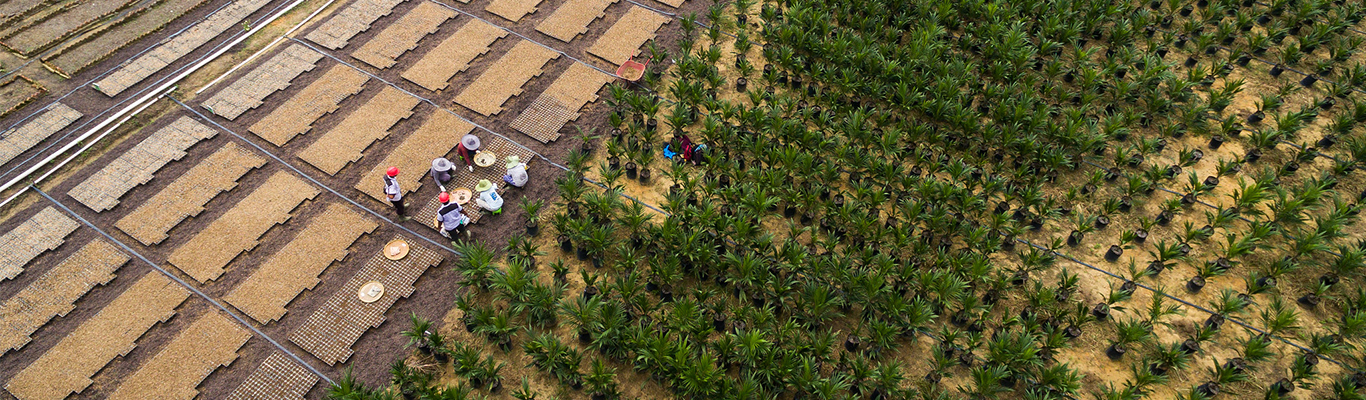
Last year, the United Nations launched 17 Sustainable Development Goals (SDGs). These goals are related to 17 critical areas including eradicating poverty, tackling climate change, achieving gender equality, and zero hunger. The aim is to mobilise all countries over the next 15 years to achieve these universal goals. And for this to succeed, the effort will have to involve governments, the private sector, and private citizens.
GAR’s Sustainability Policy and the SDGs
The SDGs may seem very ambitious, but did you know that GAR is already working on some of these goals?

One of the most immediate challenges the world faces is tackling climate change. Climate change can have a very direct impact on our business, affecting the health of our palm trees and their yields which in turn can affect overall earnings and incomes. As a major agribusiness, GAR is keenly aware that it must be a careful steward of the environment and natural resources. This is a common sense both from the perspective of being a good corporate citizen and for safeguarding the longevity of our business.
Tackling climate change is one of the core tenets of the GAR Social and Environmental Policy (GSEP). For many years we have adhered to policies that seek to mitigate climate change. These policies are now integrated into the GSEP under our commitments to responsible Environmental Management.
For example, in 1997, we were the first palm oil grower to commit to a Zero Burning Policy. Thanks to this policy and our fire prevention efforts, only 0.5% of our land was affected by fires in the 2015 forest fire season. We are also focusing on long-term efforts at preventing fires by helping communities and villages near our plantations stay fire-free. The Desa Siaga Api programme was rolled out earlier this year. Under this programme, GAR helps train and equip fire-fighting teams in the village to rapidly suppress fires. At the same time, we also highlight the hazards of fire and haze and raise awareness of the benefits of using non-fire methods to clear land.
Since 2010, we have also had a policy of no development on peat regardless of depth. This is important as peat areas are huge natural carbon stores. Opening up and developing peat areas for agriculture can disturb these stores, releasing high carbon emissions into the atmosphere, contributing to climate change. As part of our long-term efforts to manage peat areas sustainably, we launched a Peat Eco-system Rehabilitation Project last year which focuses on maintaining the water-table in the peat area to reduce its vulnerability to fires and involving the local community in joint conservation of the area.

Managing the hydrology of the peat area
In 2011, we were also the first palm oil company to launch a Forest Conservation Policy (FCP), seeking to delink deforestation from the production of palm oil. Similar policies have now been adopted by other companies in the industry.

To support our forest conservation efforts, we worked with Greenpeace and The Forest Trust (TFT) to come up with a scientifically-based approach to define forested areas to be conserved. The result was the High Carbon Stock (HCS) Approach and in 2015, an HCS Approach Toolkit was published as a guide for companies seeking to implement the approach. This complements our commitments to protect and conserve High Conservation Value (HCV) areas in our concessions. The concept of HCV was originally developed by the Forest Stewardship Council (FSC) for use in forest management certification.
These are just some of the examples of how our sustainability journey is aligned with the SDGs. Keep reading this blog as I highlight further areas that GAR is working on which are in line with the SDGs.