

 Our Shared Values
 Our Business
 Our Achievements
 Our Governance
 Our Leadership
 Conservation Management & Monitoring
 Climate Change
 Community Engagement
 Partnerships & Memberships
 Human Rights & Labour
 Responsible Sourcing
 Responsible Production
 Certifications
 Sustainability Report
 Palm-based Food Products
 Other Food Products
 Oleochemicals
 Bioenergy
 Seeds
Seeds Sugar
Sugar Shipping & Logistics
 Food & Nutrition Innovation
 Animal Nutrition
 Press Releases
 Stories
 Meet Our Experts
 In the News
 Publications
 Shareholder Information
 Financial Highlights, Reports & Presentations
 SGX Filings
 Analyst Coverage
 Prospective Suppliers
 Support for Palm Suppliers
 Existing Non-Palm Suppliers
 FAQ
FAQ Graduates & Professionals
 Scholarships
 Internships & Traineeships

“You’ve probably heard the myth: ‘alcohols are bad for your skin’. Or even ‘all alcohols dry you out. The word ‘alcohol’ tends to scare people – but not all alcohols are created equal,” says Enrique Naz Melon, our Deputy Chief Executive Officer at Sinarmas Cepsa.
“Fatty alcohols are the quiet heroes behind your favourite skincare, shampoos, and cleaning products. They don’t strip or dry – they smooth, soften, and stabilise. And most people don’t even realise they’re there,” he adds.
From making creams ultra-hydrating to helping detergents remove stains, fatty alcohols play a key role in many everyday formulations. So, what exactly are they, and how do they work? Let’s dive into the world of fatty alcohols and discover why they’re so important.
Table of contents [show/hide]
- What are fatty alcohols?
- The science behind fatty alcohols: How do they work?
- Fatty alcohols vs. fatty acids: What’s the difference?
- Natural fatty alcohols: Sourced from plants, made for sustainability
- What are fatty alcohols used for? Applications across industries
- Are fatty alcohols safe? Debunking myths and misconceptions
What are fatty alcohols?
Fatty alcohols are organic compounds sourced from natural fats and oils. Unlike short-chain alcohols like ethanol, which evaporates quickly, fatty alcohols have long hydrocarbon chains. This gives them a waxy, creamy texture instead of a watery or drying effect.
What makes fatty alcohols special is their unique dual nature:
- They have a hydroxyl ( – OH) group at one end, which makes them water-loving (hydrophilic) and allows them to interact with water.
- On the other end, they have a long carbon chain, which makes them oil-loving (hydrophobic) and helps them blend with fats and oils.
This unique structure allows fatty alcohols to act as emulsifiers, stabilisers, and emollients in a wide variety of products – from skincare to cleaning solutions. It also makes them an ideal raw material for producing surfactants used in everyday items like detergents, shampoos, and toothpaste.
Do You Know?
Fatty alcohols were once extracted from whale oil!
Before modern production methods using palm oil and coconut oil, they were originally derived from sperm whale oil in the early 20th century. Today, thanks to advancements in oleochemistry, all commercial fatty alcohols come from plant-based or synthetic sources, making them more sustainable and ethical.
The science behind fatty alcohols: How do they work?
Fatty alcohols are the key ingredients that make everyday products work better. Their secret lies in their unique dual nature – both hydrophilic (water-loving) and hydrophobic (oil-loving) – allowing them to interact with both water and oil.
This ability makes them essential for three key functions:


Fatty alcohols vs. fatty acids: What’s the difference?
Though they sound similar, fatty alcohols and fatty acids serve very different functions:
| Fatty Alcohols | Fatty Acids | |
|---|---|---|
| Hydroxyl (-OH) |  Chemical Group |
Carboxyl (-COOH) |
| Waxy, smooth |  Texture |
Oily, greasy |
| Helps mix oil & water, stabilises emulsions |  Function |
Often used as a preservative or in soaps |
| Lotions, shampoos, detergents, lubricants | 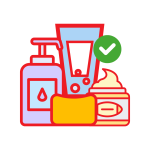 Common uses |
Soaps, dietary fats, skincare acids |
Natural fatty alcohols: Sourced from plants, made for sustainability
Natural fatty alcohols are derived from plant-based oils, primarily palm kernel and coconut oils. These oils contain fatty acids, which are converted into fatty alcohols through a multi-step refining and hydrogenation process. Unlike petrochemical alternatives, natural fatty alcohols offer a renewable and biodegradable solution for industries seeking sustainable ingredients.
“We’ve built our offerings on one belief – better ingredients make better products. Our natural fatty alcohols are made from renewable and traceable sources. They’re also skin-friendly, offering the performance and flexibility that formulators need – whether in personal care or home care. To us, they represent the future of formulation: safe, sustainable, and built to last,” explains Enrique.
Learn more how we transform vegetable oils into fatty alcohols:

What are fatty alcohols used for? Applications across industries
Fatty alcohols are the backbone of many everyday products, ranging from luxury skincare to industrial lubricants. Their ability to act as emulsifiers, surfactants, and lubricants makes them essential across multiple industries. Explore how they enhance personal care, home care, pharmaceuticals, and plastics.
✓ Moisturising & conditioning: Fatty alcohols like cetyl, stearyl, and behenyl alcohol act as emollients for a soft, velvety texture.
✓ Emulsifying & stabilising: Prevents oil and water from separating for smooth, consistent formulas.
✓ Thickening agent: Adds a creamy, luxurious feel to skincare and hair products.
✓ Non-drying alcohol alternative: Unlike ethanol, fatty alcohols nourish the skin instead of stripping moisture.

Lotions & creams
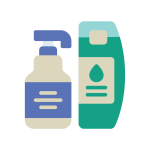
Shampoos & conditioners

Deodorants & makeup
✓ Foaming & lathering: Helps shampoos, dish soaps, and laundry detergents foam up for better cleaning power.
✓ Dirt & oil removal: Traps and lifts grease away in laundry detergents and dishwashing liquids.
✓ Mild yet effective cleansing: Used in sensitive skin formulas thanks to their gentle cleansing properties.
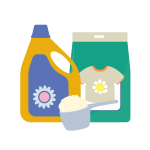
Liquid & powder detergents

Dishwashing liquids

Surface & industrial cleaners
✓ Base for ointments & creams: Helps active ingredients penetrate the skin for faster relief.
✓ Tablet coatings & binders: Used in medications to control release and improve solubility.
✓ Emulsifying agent: Ensures even mixing in topical medical creams.

Ointments & creams
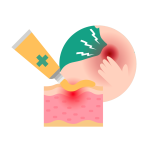
Pain relief gels & topical steroids

Tablets & capsules
✓ Lubrication & smoothing: Reduces friction and wear in industrial machinery.
✓ Plasticisers & additives: Enhances the flexibility and durability of plastics.
✓ Eco-friendly alternative: Natural fatty alcohols are increasingly used as a renewable substitute for petroleum-based additives.

Lubricants & greases
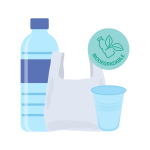
Biodegradable plastic additives

Processing aids for rubber & polymers
Are fatty alcohols safe? Debunking myths and misconceptions
“Fatty alcohols have been misunderstood for too long. Just because they have alcohol in their name, many assume they’re harsh, drying, or irritating – but that is far from the truth. In reality, fatty alcohols are what make your skincare feels silky, your hair stays smooth, and your favourite products remain perfectly blended,” describes Enrique.
But can you distinguish the myths about fatty alcohols from the truth? Flip one of these cards to find out!
“Fatty alcohols come from crude oil.”
Fact
While some fatty alcohols can be from petrochemicals, many are derived from natural plant sources, making them a preferred choice in clean beauty.
Myth
Many fatty alcohols are naturally sourced from coconut oil and palm kernel oil, making them a sustainable and renewable ingredient.
“Fatty alcohols help products last longer.”
Fact
Fatty alcohols act as natural stabilisers that prevent creams, lotions, and shampoos from separating, spoiling, or losing texture over time.
Myth
Without fatty alcohols, many of your favourite products would become watery, unstable, or dry out quickly!
“Fatty alcohols are only found in skincare.”
Fact
Fatty alcohols aren’t just for beauty products – they’re essential in cleaning agents, medicines, and even food processing.
Myth
Fatty alcohols are everywhere – in shampoos, conditioners, sunscreens, deodorants, detergents, and even pharmaceuticals!
“Fatty alcohols can act as natural insect repellents.”
Fact
Certain fatty alcohols, like decyl alcohol and lauryl alcohol, have been studied for their ability to repel insects and are used in some eco-friendly bug sprays.
Myth
Fatty alcohols aren’t just for beauty and cleaning – they can even be found in natural pest control solutions.
“Fatty alcohols can boost the effectiveness of active ingredients.”
Fact
Fatty alcohols help active ingredients spread more evenly and absorb better into the skin, making your moisturisers, serums, and treatments work more effectively.
Myth
Fatty alcohols do more than just thicken a product – they help deliver key ingredients into the skin for better results!
Frequently Asked Questions (FAQs)
pharmaceuticals, and industrial applications. They act as emulsifiers, surfactants, and lubricants,
helping products blend, cleanse, and feel smooth.
non-drying and help moisturize the skin and hair. Unlike short-chain alcohols (such as ethanol),
they work as emollients and conditioning agents.
- Sustainable & biodegradable – Derived from renewable plant-based sources.
- Skin & hair friendly – Help moisturise and smoothen without irritation.
- Eco-conscious choice – Preferred in green and clean beauty formulations.
From personal care to industrial solutions, our joint venture Sinarmas Cepsa delivers high-quality fatty alcohols backed by sustainability and expertise. Find the right ingredients for your needs here.