

 Our Shared Values
 Our Business
 Our Achievements
 Our Governance
 Our Leadership
 Conservation Management & Monitoring
 Climate Change
 Community Engagement
 Partnerships & Memberships
 Human Rights & Labour
 Responsible Sourcing
 Responsible Production
 Certifications
 Sustainability Report
 Palm-based Food Products
 Other Food Products
 Oleochemicals
 Bioenergy
 Seeds
Seeds Sugar
Sugar Shipping & Logistics
 Food & Nutrition Innovation
 Animal Nutrition
 Press Releases
 Stories
 Meet Our Experts
 In the News
 Publications
 Shareholder Information
 Financial Highlights, Reports & Presentations
 SGX Filings
 Analyst Coverage
 Prospective Suppliers
 Support for Palm Suppliers
 Existing Non-Palm Suppliers
 FAQ
FAQ Graduates & Professionals
 Scholarships
 Internships & Traineeships
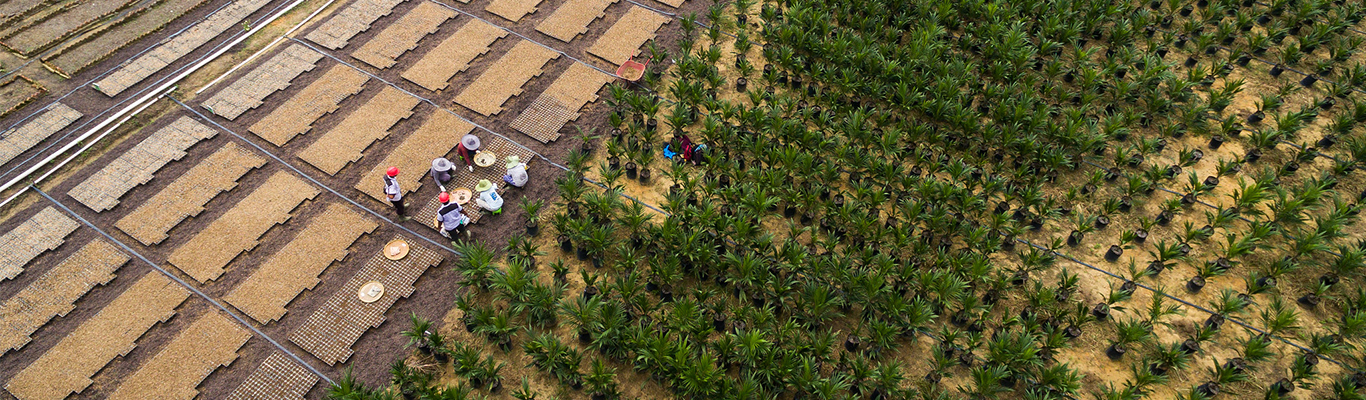

In the world of baking, understanding various techniques is the key to creating perfect baked goods. For bakery entrepreneurs, mastering these baking techniques and terms will help produce consistent and high-quality cakes, bread, and pastries, while also optimising the production process. This knowledge will undoubtedly enhance your competitiveness and reputation in the bakery industry.
There are numerous techniques used in baking, and today, Chef Mickey Gunawan will explain 7 essential baking techniques and their functions that every Smart Bakers should know to enhance your skills and improve the quality of their products. Let’s dive in!
1. Proofing

Proofing is the process where yeast dough is allowed to rise after it has been shaped and placed on a baking tray before baking. During this stage, the yeast works to create pores and texture within the dough, resulting in bread that is fluffier, lighter, and softer. This technique is commonly applied in the making of sweet bread, sandwich bread, and doughnuts. You can try this method with recipes such as Strawberry Donuts and Purple Sweet Potato Raisin Bread.
The ideal proofing time is around 60-90 minutes. It’s crucial to ensure that this process is done correctly. If the proofing time is too short, the bread will be small and dense, while over-proofing can cause the bread to develop a sour taste, collapse after baking, and have a wrinkled surface. Once proofing is complete, the bread is ready to be baked.
2. Kneading

Kneading is the process of working the bread dough by hand or using a bread mixer to develop gluten, which plays a vital role in creating an elastic dough. The process is considered successful when all ingredients are thoroughly mixed, and the dough no longer sticks to your hands or the surface of the bowl.
According to Chef Mickey, mastering the kneading technique is essential as it significantly affects the final texture of the bread, making it smoother, softer, and perfectly risen. This is why kneading is one of the most important steps in bread-making.
This technique is suitable for making various types of bread, bagels, and pizzas. Some recipes you can try using this technique include Carrot Bread with Chicken and Potato or Pizzadilla.
3. Blind Baking

Blind baking is a technique used to bake a pie crust without any filling, typically used when making pies or tartlets. This process is often applied to pies whose fillings or toppings do not require baking, ensuring that only the pie crust is baked to perfection, like in the Soya Milk Pie with Taro Topping recipe.
For other types of pies, such as quiches or pies with brownie or almond cream fillings, blind baking helps prevent leakage and ensures that the pie is evenly baked, with the crust cooking faster.
4. Creaming

Creaming is a technique commonly used in various pastry and baking preparations. This process involves whipping margarine or butter together with sugar until the mixture is soft and pale in colour, which helps increase the volume of the batter. This technique is typically used in making cookies, cakes like pound cake (which uses a lot of margarine or butter), as well as in preparing buttercream and whipped cream.
5. Folding

Folding is a technique often used when making cakes or other doughs that involve combining two types of mixtures with different consistencies. This technique is typically applied when making sponge cakes or when mixing batter with melted margarine. The process is carried out slowly using a spatula to avoid deflating the air that has formed, ensuring the batter remains light. An example of a recipe that uses the folding technique is Pandan Srikaya Opera Cake.
6. Laminating

In baking, laminating refers to the process of creating layers in pastry dough, such as croissants, Danish pastries, and puff pastry. This process involves repeatedly folding and rolling the dough to create a smooth, layered structure.
Laminating is usually divided into two types: single and double folds, which are adjusted according to the type of pastry being made. With the right laminating technique, the dough will have a perfect layered texture when baked. You can try this technique with various pastry recipes such as Strawberry Almond Danish Pastry and Chicken Mushroom Pocket.
7. Docking

Docking is a technique that is less well-known by name but commonly practiced in baking. It involves pricking pie dough with a fork before baking to create tiny holes. This process allows steam to escape from beneath the dough, preventing it from puffing up and ensuring an even, crispy crust. Try this docking technique when making a recipe like Charsiu Pie for optimal results.
By mastering these 7 essential baking techniques terms, you can enhance the quality of your baked goods and improve production efficiency. Remember, using high-quality ingredients is also crucial in creating the best bakery products. FILMA® offers a wide range of high-quality ingredients, from margarines to shortenings, that are perfect for bakery professionals. Explore our complete range of FILMA® products in our e-catalog.