

 Our Shared Values
 Our Business
 Our Achievements
 Our Governance
 Our Leadership
 Conservation Management & Monitoring
 Climate Change
 Community Engagement
 Partnerships & Memberships
 Human Rights & Labour
 Responsible Sourcing
 Responsible Production
 Certifications
 Sustainability Report
 Palm-based Food Products
 Other Food Products
 Oleochemicals
 Bioenergy
 Seeds
Seeds Sugar
Sugar Shipping & Logistics
 Food & Nutrition Innovation
 Animal Nutrition
 Press Releases
 Stories
 Meet Our Experts
 In the News
 Publications
 Shareholder Information
 Financial Highlights, Reports & Presentations
 SGX Filings
 Analyst Coverage
 Prospective Suppliers
 Support for Palm Suppliers
 Existing Non-Palm Suppliers
 FAQ
FAQ Graduates & Professionals
 Scholarships
 Internships & Traineeships
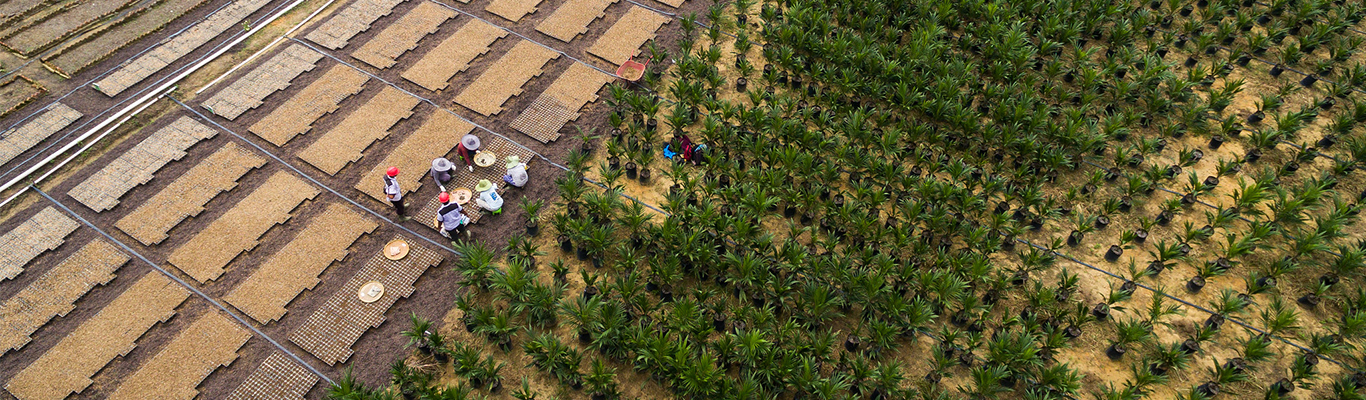
Palm oil cultivation is an arduous process for independent smallholders. For Sunardi, a palm oil smallholder farmer with a 0.75 hectares plantation from Tulang Bawang Regency, Lampung, dealing with climate change, diseases, and volatile market prices has been a constant struggle to stay afloat. He is not alone as there are more than 3,500 farmers like him in the regency. However, support is available for independent smallholders to increase their chances of success. The key is finding a solution to the declining productivity of aging palm oil trees and diseases through replanting with certified seeds.

Is that possible?
Yes! Improved certified seeds that will increase productivity are available for smallholders planning to replant their farms.
Sinar Mas Agribusiness and Food’s advanced Research & Development (R&D) team has developed Dami Mas seed, born from a careful crossing of selected high-yielding trees, which offers increased oil content and bunch weight compared to traditional varieties. The latest innovation is a seed variety that is resistant to fungal diseases and has less than 0.1% dura contamination in the plantation, which causes stem rot and adversely affects palm oil yield.
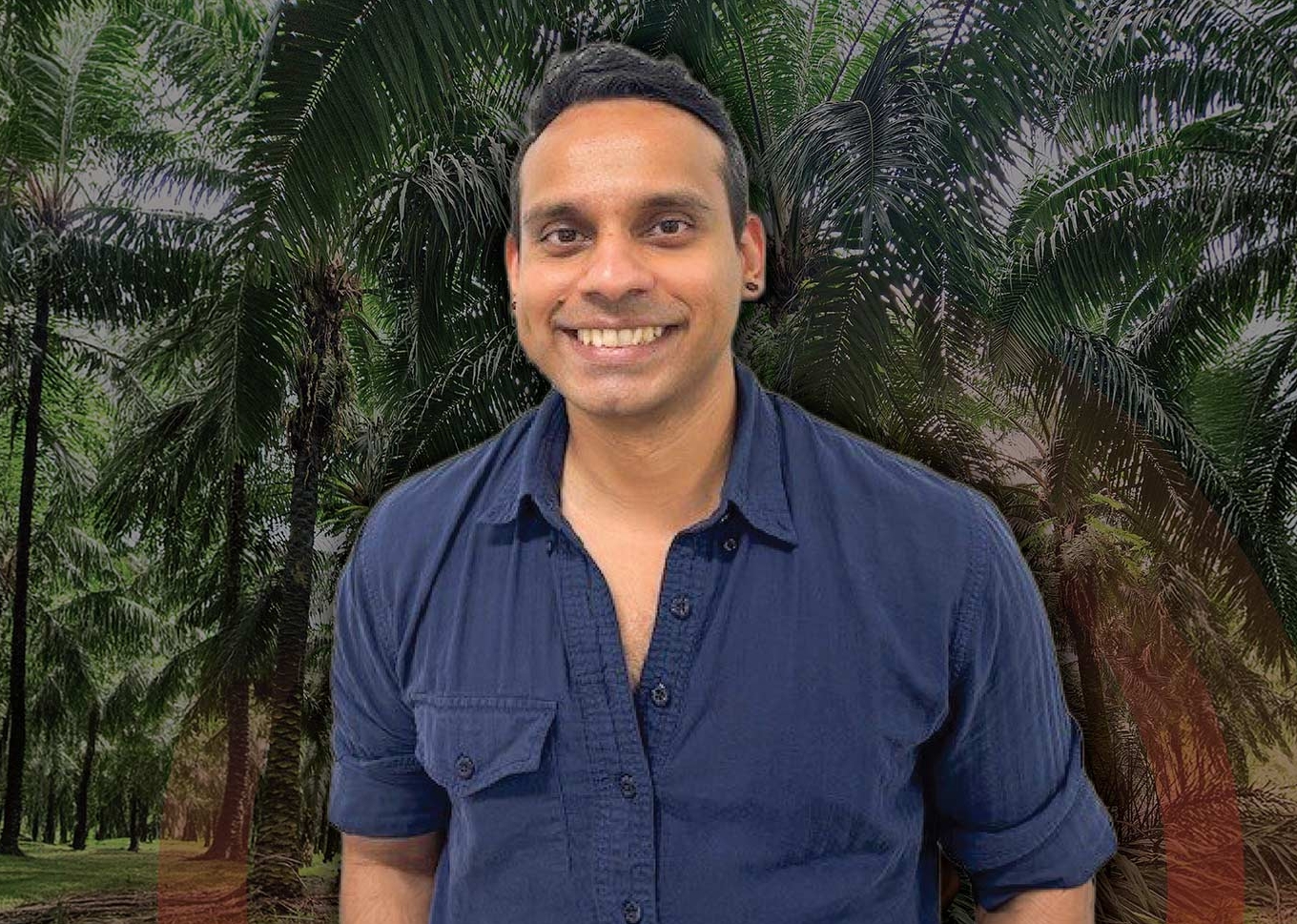
Mohammad Naim, shared that Dami Mas seeds produced by Sinar Mas Research & Development meet strict standards for genetic purity, germination rate, and disease resistance. This ensures farmers receive consistent, high-quality planting material critical for predictable yields and minimising risk.
“Certified seeds can transform the landscape when carefully handpicked and nurtured, offering hope to farmers like Sunardi and Haryanto. They have undergone rigorous testing and screening by the R&D department. The careful selection results in tangible benefits. Certified seeds are bred for top performance, with higher yields compared to older, non-certified varieties. This translates into more oil per tree, increased farmer’s income, and ultimately less land required for plantations,” Naim explained.
Dedy Prasetyo, an independent smallholder farmer from Jambi, testifies that replanting with certified seeds have shown positive results. “After 26 months, I can already harvest more than 1 tonne per hectare per month. Before the replanting, I could only harvest 500-700 kilograms per hectare per month. Currently, my palm oil plantation is able to generate an earning between IDR 4-5 million per month which meets the standard price in reference to the Ministry of Agriculture.”
Are certified seeds enough?
No, certified seeds alone are not sufficient to deliver the desired results. Good replanting practices must complement the high-quality seeds. “Identifying and replacing unproductive trees enables the use of high-quality seeds, optimising yields and resource utilisation. This targeted approach minimises land disturbance and maintains overall plantation productivity, ensuring economic and environmental sustainability,” Naim elaborated.
Notably, the benefits extend beyond immediate gains. Replanting with improved seeds will increase long-term resilience for the industry. As climate change intensifies, improved seeds offer better adaptation to changing environmental conditions, maintaining future production potential.
Utilising Certified Seed on PSR programme
Acknowledging the maximum potential of certified seeds, Sinar Mas Agribusiness and Food has also encouraged the usage in its Peremajaan Sawit Rakyat (PSR), a programme that aims to replant the ageing oil palm plantations. To date, the PSR programme has supported 16,300 independent smallholders in replanting 32,700 hectares of land with certified seeds. Farmers like H. Misdan and those under the PSR programme have witnessed first-hand the positive impact of replanting with certified seeds and land intensification practices through the PSR programme.
H.Misdan shared, “I started the replanting process using certified seeds in May 2015. At present, the financial yield from the first year of planting has reached IDR 3.8 million per year from about 351 hectares of land that I own, whereas my previous financial yield only reached 2.7 million per year.”
Closing the knowledge gap
Despite the clear advantages of certified seeds, independent smallholders often face significant hurdles in accessing them due to limited resources and lack of knowledge on Good Agricultural Practices (GAPs). Tight budgets often prevent them from paying the premium price attached to certified seeds, which promise higher yields and better disease resistance. This encourages them to option for cheaper, uncertified seeds, potentially leading to lower productivity and environmental damage. Compounding the problem is the knowledge gap. Many independent smallholders do not have access to information on the benefits of certified seeds, best practices in their use, and even where to buy them. This lack of awareness prolongs the cycle of dependence on readily available, but often uncertified, seeds, hindering their ability to improve their livelihoods and contribute to sustainable palm oil production.
The collaboration between PSR programme and certified seeds is crucial. The programme acts as a bridge to increase access to certified seeds for independent smallholders. The programme also simplified access to financial assistance so that independent smallholders receive the necessary capital for buying superior quality seeds to replace old and unproductive palm oil trees.
Dami Mas is one of the top DxP seed suppliers in Indonesia with an annual production of 25 million germinated seeds. The Dami Mas DxP seed is renowned for its high yields as well as its high oil extraction ratios—two traits much sought after by palm oil growers.
Facts about Dami Mas Seeds:
- Proven adaptable to various agro-ecological conditions.
- Resistant to Ganoderma and drought.
- Renowned for their performance.
- Allowing for earlier fruit production.
- Earlier harvest at 24 months of age.
- Higher oil extraction rates and production, yielding 8-10 tonnes/ha.
- Over 30-35 tonnes of fresh fruit bunches (FFB) within 3-8 years.
- Total oil production of 9 tonnes/ha.
- Oil extraction rate of >25%, and kernel oil extraction rate of 6%.