

 Our Shared Values
 Our Business
 Our Achievements
 Our Governance
 Our Leadership
 Conservation Management & Monitoring
 Climate Change
 Community Engagement
 Partnerships & Memberships
 Human Rights & Labour
 Responsible Sourcing
 Responsible Production
 Certifications
 Sustainability Report
 Palm-based Food Products
 Other Food Products
 Oleochemicals
 Bioenergy
 Seeds
Seeds Sugar
Sugar Shipping & Logistics
 Food & Nutrition Innovation
 Animal Nutrition
 Press Releases
 Stories
 Meet Our Experts
 In the News
 Publications
 Shareholder Information
 Financial Highlights, Reports & Presentations
 SGX Filings
 Analyst Coverage
 Prospective Suppliers
 Support for Palm Suppliers
 Existing Non-Palm Suppliers
 FAQ
FAQ Graduates & Professionals
 Scholarships
 Internships & Traineeships
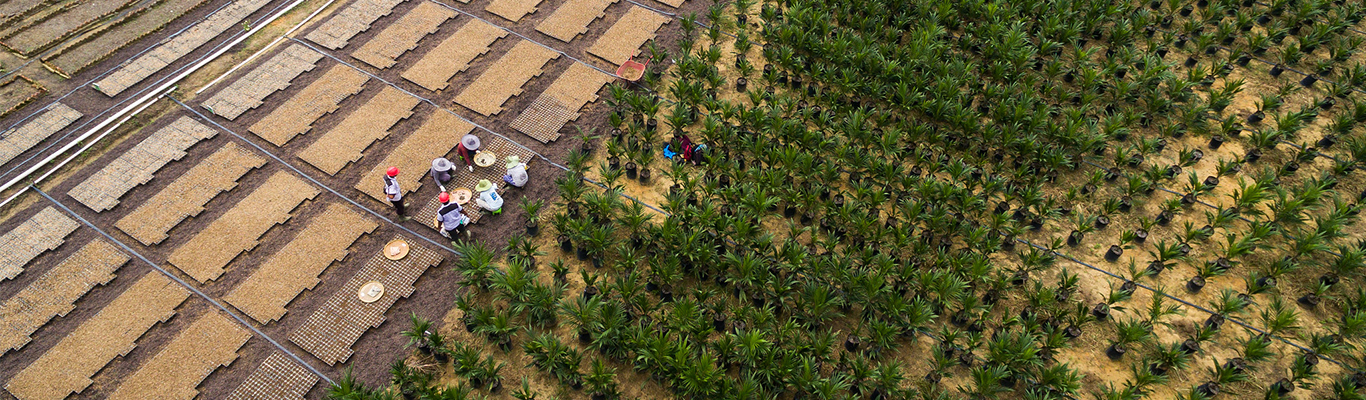
As 2025 unfolds, the way we farm, eat, and power our world is evolving rapidly. These shifts are about more than just increasing output – they’re about making smarter and more sustainable choices.
At GAR, our focus is on creating lasting value for both people and the planet.
Farming smarter for value, not just volume
With climate change impacting agriculture through extreme weather and droughts, the UN Food and Agriculture Organisation (FAO) has warned that climate change could reduce global crop yields by up to 30% by 2050 if urgent action isn’t taken. But the solution isn’t simply to produce more.
How are we creating lasting value through sustainable practices and responsible innovation?
- Increasing crop yields with innovation and technology

Our Dami Mas DxP seeds are designed to boost crop yields sustainably, offering higher productivity without expanding agricultural land. Our focus is on finding new ways to sustainably boost yields, empowering farmers to get more out of their land without expanding it.
Dami Mas DxP seeds, developed at our SMART Biotechnology Centre, offer earlier and higher yields while keeping their genetic resilience.
“We’ve leveraged molecular breeding and bioinformatics to optimise yield potential without compromising genetic purity,” explains Mohammad Naim, Head of Crop Protection at SMART Research Institute (SMARTRI). Dami Mas seeds enable harvesting just 24 months after planting, delivering yields of 18-24 tonnes of Fresh Fruit Bunches (FFBs) per hectare, with an Oil Extraction Rate of 28-31%.
- Reducing greenhouse gas emissions through biogas plants
By converting methane from Palm Oil Mill Effluent (POME) into renewable energy, we’re cutting emissions and providing a self-sufficient energy for our mills.

One of our biogas plants in Central Kalimantan, Indonesia “Methane is 28 times more potent than CO2 when it comes to trapping heat in the atmosphere. At our mills, we’ve identified untreated POME as a significant source of direct greenhouse gas emissions, also known as Scope 1 non-FLAG (non-Forest, Land, and Agriculture-related) emissions. By capturing methane from untreated POME and using it as energy to power the mills, we can significantly reduce our carbon footprint,” notes Deuxiemi Natallia Kusumadewi, Head of Climate Change and Bioeconomy.
- Diversifying our product range
Staying resilient means diversifying. While palm oil is still central, we’ve expanded into palm oil derivatives like oleochemicals and other goods like sugar to keep up with changing demands.
Our sugar business has grown quickly by combining its established expertise with the company’s support to expanding globally. Jelena Andrianova, GAR’s Sugar Product Line Manager, shares, “The sugar business has its own strengths, especially in supply chain management. Combine that with the company’s support, and it’s helped us grow quickly, even in challenging markets.”
A cleaner way to power up

The bioenergy industry is on a steady rise, increasingly focused on carbon capture and alternative feedstocks for a net-zero future.
GAR is contributing to this shift by producing bioenergy from our palm-based resources. Our biodiesel plants in Jakarta and South Kalimantan generate over a million tonnes of biodiesel each year, supporting Indonesia’s push for renewable energy and cutting emissions significantly compared to traditional diesel.
Palm Kernel Shell (PKS), a by-product of palm oil production, offers an effective alternative to wood-based biomass without the need for deforestation. “PKS is a great example of the circular economy in action – turning what would be waste into a reliable, low-carbon energy source. PKS offers efficient burning and can reduce carbon emissions by up to 40%,” points out Samuel Agus Setiawan, CEO of GAR’s biomass business.
The new demand: Health‑conscious foods

Consumers are prioritising foods that support their wellness goals, from high-protein and fibre-rich options to natural health ingredients. There’s a growing desire for transparency, too – people want to know their food is good for the planet as it is for their health.
GAR is right in step with this shift, offering palm-based products that bring natural health benefits, like our trans-fat-free palm oil rich in antioxidant Vitamin E and provitamin A carotenoids. “In a market filled with options, we want consumers to feel secure in choosing our products,” says Isti Christianti, R&D Category Sub Division Head at GAR.
At our Marunda R&D Centre, the team work to support the creation of safe, healthy, and delicious food products. Advanced technology helps us reformulate products to remove trans fats while maintaining flavour and texture. “We’re dedicated to making food products that are both healthy and enjoyable,” states Isti. “Consumers can trust that we’re focused on health, safety, and quality every step of the way.”
Knowing where your food comes from

In today’s market, traceability has become essential. Shoppers want to know where their food comes from and how it’s made, and research shows that nearly 76% of consumers expect transparency in food sourcing, with many willing to pay more for brands they trust.
GAR is meeting this demand with SmartTrace, a blockchain-powered system that provides full visibility into our palm oil’s journey, from plantation to product.
“SmartTrace is our response to the need for transparency. With blockchain, each step in our supply chain is securely recorded in a way that can’t be altered, which guarantees accuracy and builds trust,” notes Suwandi Kho, Blockchain & Business Intelligence Team Lead at GAR.
Strong guts, strong livestock

Across the livestock industry, producers are turning to feed that supports gut health, helping boost immunity and reduce the need for antibiotics. This trend aligns with consumer demand for better animal welfare and supports farmers in managing health and productivity sustainably.
Our GoNutri Protect feed supplements are designed with this in mind. By using palm and palm kernel-derived ingredients, GoNutri Protect offers a natural, effective way to support health and immunity in livestock. “Our goal is to support livestock from the inside out – improving microbiota, digestion, and absorption of nutrients naturally and boosting their immunity. When gut health is prioritised, we can improve production yields and reduce antibiotics use that benefit both animals and sustainable practices,” mentions Pablo Alvarez, GoNutri’s veterinarian.
Building a better world beyond business
As global expectations for sustainable practices grow, businesses are increasingly called to balance profit with environmental and social responsibility. A PwC report found that consumers are willing to spend an average of 9.7% more on products that support environmental and social causes, highlighting the importance of responsible production.
At GAR, we see sustainability as an opportunity to create shared value – protecting ecosystems while empowering communities.

By implementing advanced water management systems, GAR has preserved over 1,600 hectares of these critical carbon-rich peatlands. Initiatives like Participatory Conservation Planning (PCP) work with local community to safeguard High Conservation Value (HCV) forests and wildlife corridors, so that biodiversity flourishes alongside sustainable operations.

In parallel, GAR’s Bright Future Initiative has driven over 160 community projects across 100 villages in Indonesia, focusing on sustainable farming, livestock, and cash crop cultivation. By supporting these communities in gaining essential skills and access to markets, we not only enhance livelihoods but also encourage economic independence and resilience.
Discover GAR’s approach to producing more with less impact. Learn how our responsible production contributes to building a sustainable future for agriculture.