

 Our Shared Values
 Our Business
 Our Achievements
 Our Governance
 Our Leadership
 Conservation Management & Monitoring
 Climate Change
 Community Engagement
 Partnerships & Memberships
 Human Rights & Labour
 Responsible Sourcing
 Responsible Production
 Certifications
 Sustainability Report
 Palm-based Food Products
 Other Food Products
 Oleochemicals
 Bioenergy
 Seeds
Seeds Sugar
Sugar Shipping & Logistics
 Food & Nutrition Innovation
 Animal Nutrition
 Press Releases
 Stories
 Meet Our Experts
 In the News
 Publications
 Shareholder Information
 Financial Highlights, Reports & Presentations
 SGX Filings
 Analyst Coverage
 Prospective Suppliers
 Support for Palm Suppliers
 Existing Non-Palm Suppliers
 FAQ
FAQ Graduates & Professionals
 Scholarships
 Internships & Traineeships
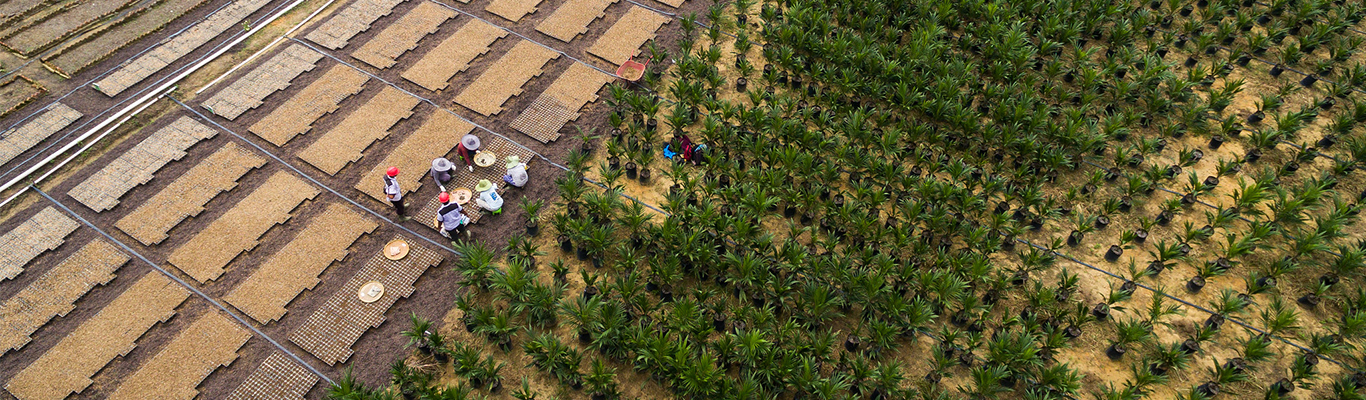
What happens when wastewater meets innovation? At GAR, it’s given a second chance. Every drop goes through a complex, multi-step process in our Wastewater Treatment Plants (WWTPs), where science and expertise combine to turn waste into a resource.
Now it’s your turn to guide wastewater on this journey. Each decision you make will shape its path as it goes through oil separation, biological treatments, and final inspections. Will you make the right choices to help wastewater achieve its second life? Let’s find out!
Stage 1: Oil, be gone!
The journey begins at the Oil Separator, where the first challenge arises: removing oil coating the surface of the wastewater. This oil must be handled properly to ensure smooth progress through the next stages of treatment.
What’s the next step?
Correct!

Great choice! The oil is carefully removed using skimmer blades and stored in ISO Tanks for safe handling. Without it, impurities would compromise the efficiency of the treatment system. Once the oil is removed, the water moves into the Influent Tank, where it is mixed and homogenised.
Incorrect!
Mixing the oil into the water might seem like a way to reduce visible surface oil, but it makes later separation far more difficult. The correct process involves skimming the grease and oil and storing it in ISO Tanks for safe disposal or reuse, while the separated water continues the process through Influent Tank.
Now that we understand this, let’s move forward!
Stage 2: Mixing things up
Next, the wastewater flows into the Influent Tank, a massive container. At this stage, the goal is to prepare the wastewater for further processes by addressing the particles floating around in the wastewater
What’s the best course of action?
Correct!

Excellent! Homogenising the wastewater ensures that all components are evenly distributed, giving the treatment systems the best chance to work efficiently. Consistency is key to achieving the desired water quality.
Incorrect!
Allowing particles to settle might seem like a shortcut to clearing the water, but this approach leaves the mixture inconsistent, which creates a problem for downstream systems. The Influent Tank solves this by thoroughly mixing and homogenising the water, preparing it for the next steps. Now the wastewater is ready for a smooth journey ahead!
Stage 3: A breath of fresh air
The next phase involves the Dissolved Air Flotation (DAF) system, where pressurised air is introduced. Tiny air bubbles lift impurities to the surface, forming a layer that can be skimmed away and sent to the Sludge Tank. This step removes bulkier contaminants, clearing the way for advanced treatments.
What should happen now?
Correct!

Great decision! Adjusting the air pressure ensures the DAF system efficiently removes floating impurities, preparing the wastewater for upcoming biological treatments. This step is crucial for reducing the burden on the next phase. These impurities are then directed back to the Sludge Tank while the partially treated water continues its journey.
Incorrect!
Lowering the air pressure might save energy, but it risks leaving behind smaller impurities that disrupt upcoming biological treatments. The DAF system is designed to optimise impurity removal by using adequate air pressure to lift them and transfer them to the Sludge Tank for further processing. Now that the water is clearer, it’s ready for the next phase.
Stage 4: The power of bacteria
The wastewater now enters the biological treatment phase, where specialised systems rely on bacteria to remove pollutants. This stage is crucial for breaking down contaminants and preparing the water for further refinement.
What’s the strategy?
Correct!

Brilliant! The biological treatment begins with the Expanded Granular Sludge Bed (EGSB), where anaerobic bacteria (bacteria that thrive without oxygen) work to break down organic pollutants and significantly reduce Chemical Oxygen Demand (COD). After this, the wastewater moves to the Aerobic System, where oxygen-loving bacteria handle any remaining contaminants. Together, these systems ensure a comprehensive cleaning process, efficiently preparing the water for the next stage.
Incorrect!
Relying on just one biological treatment might seem like a shortcut, but it compromises the cleaning process. Anaerobic bacteria in the Expanded Granular Sludge Bed (EGSB) are excellent at reducing Chemical Oxygen Demand (COD) from organic pollutants, while aerobic bacteria in the Aerobic System polish off any remaining impurities. Together, these systems work hand-in-hand to ensure the wastewater is thoroughly treated.
Stage 5: Perfecting the process
The wastewater has been treated biologically and is nearing the end of its journey. Now, it enters the Final Effluent Tank, but what happens next?
What’s the best way to ensure the water is safe for reuse?
Correct!

Spot on! The Final Effluent Tank is the last checkpoint in the treatment process. It’s here that the water undergoes a series of stringent quality checks: daily internal lab tests, monthly evaluations by external laboratories, and continuous real-time monitoring through the SPARING system, which is connected to government regulatory servers. These steps ensure that the water meets all required standards and is safe for reuse in GAR’s operations.
Incorrect!
Not quite! Relying on past data could overlook new changes in water quality. The correct process involves thorough quality checks at the Final Effluent Tank, including lab tests and real-time monitoring through the SPARING system. These steps ensure compliance with strict regulations and confirm the water is ready for its second life.
What about the leftovers?
The leftover sludge from the process takes its own journey. It enters the DECANTER system, where centrifugal force separates water from solids. The thickened sludge is dried, packed into jumbo bags, and sent to hazardous and toxic waste disposal facilities, ensuring safe and responsible handling.

Mission accomplished!
With every decision you’ve made, the wastewater has successfully transformed into clean, reusable water. That’s exactly how we approach it at GAR – treating water as a shared and vital resource, while constantly working to reduce our water footprint. This is how we make a sustainable impact.
Learn more about efforts in our CDP disclosure on Water and GAR Sustainability Report.