

 Our Shared Values
 Our Business
 Our Achievements
 Our Governance
 Our Leadership
 Conservation Management & Monitoring
 Climate Change
 Community Engagement
 Partnerships & Memberships
 Human Rights & Labour
 Responsible Sourcing
 Responsible Production
 Certifications
 Sustainability Report
 Palm-based Food Products
 Other Food Products
 Oleochemicals
 Bioenergy
 Seeds
Seeds Sugar
Sugar Shipping & Logistics
 Food & Nutrition Innovation
 Animal Nutrition
 Press Releases
 Stories
 Meet Our Experts
 In the News
 Publications
 Shareholder Information
 Financial Highlights, Reports & Presentations
 SGX Filings
 Analyst Coverage
 Prospective Suppliers
 Support for Palm Suppliers
 Existing Non-Palm Suppliers
 FAQ
FAQ Graduates & Professionals
 Scholarships
 Internships & Traineeships
What does it take to future-proof agriculture?
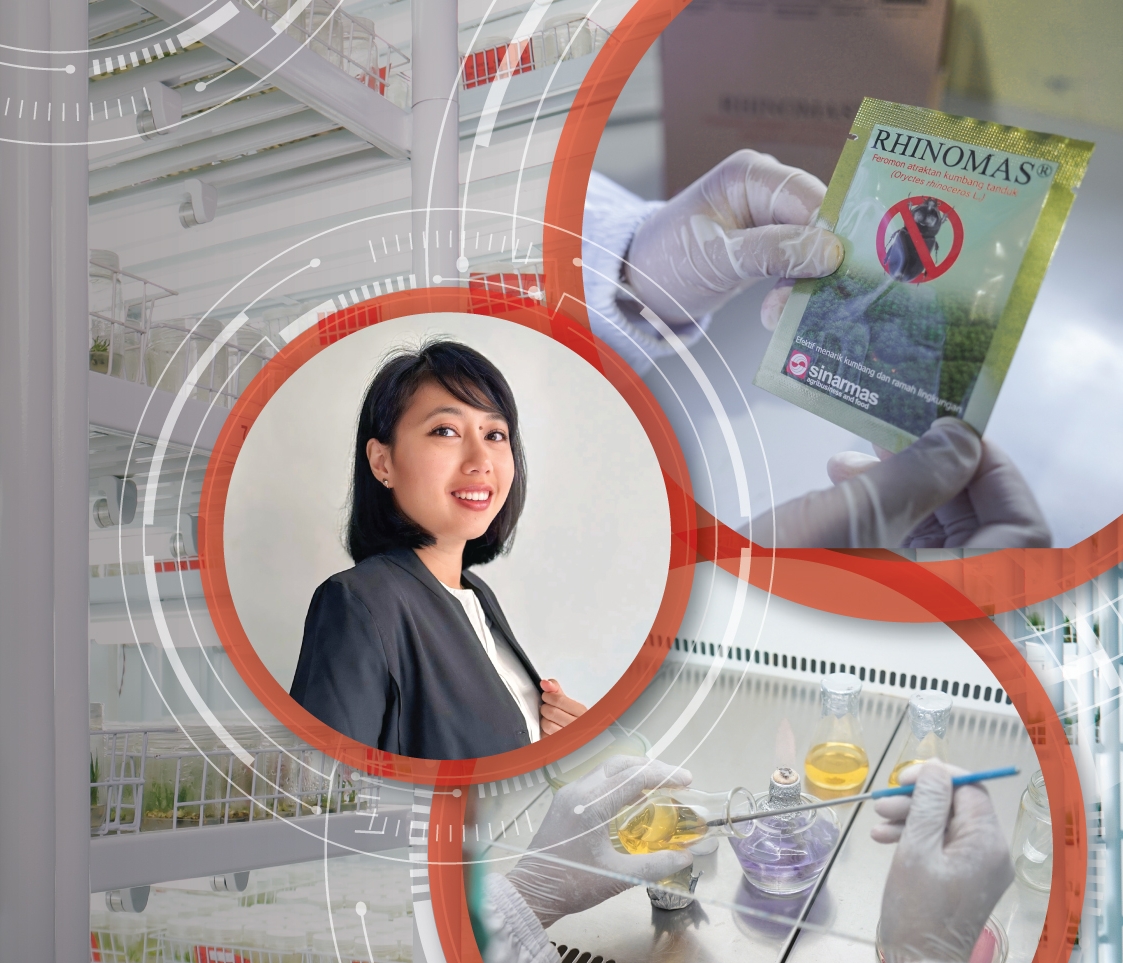
At SMART Research Institute (SMARTRI), three women scientists – Baiq, Felia, and Tiara – are answering that question with innovative solutions in disease control, climate adaptation, and automation.
Armed with science and technology, they’re tackling some of the toughest challenges in agriculture and transforming the way we grow food and feed, helping the industry face the future with confidence.
Scan, plan, and take a stand against diseases

Her main focus? Ganoderma, a fungus that silently damages oil palms and threatens entire plantations.
Baiq leads the Ganoderma census, gathering data and training field teams to spot symptoms early. She’s also working on developing disease-resistant planting materials to help future-proof plantations.

She’s exploring cutting-edge methods like using Volatile Organic Compounds (VOCs) for early disease detection, enabling plantations to take preventive action before visible symptoms appear.
“Understanding how diseases behave across different environments is key to finding targeted, effective solutions. The earlier we can detect a disease, the better we can control it,” she explains.
Unfazed by challenges of working across vast, diverse plantation areas, Baiq remains motivated by the impact of her work. “Every discovery brings us closer to healthier, more resilient crops,” she shares.
Keeping oil palm resilient in a shifting climate

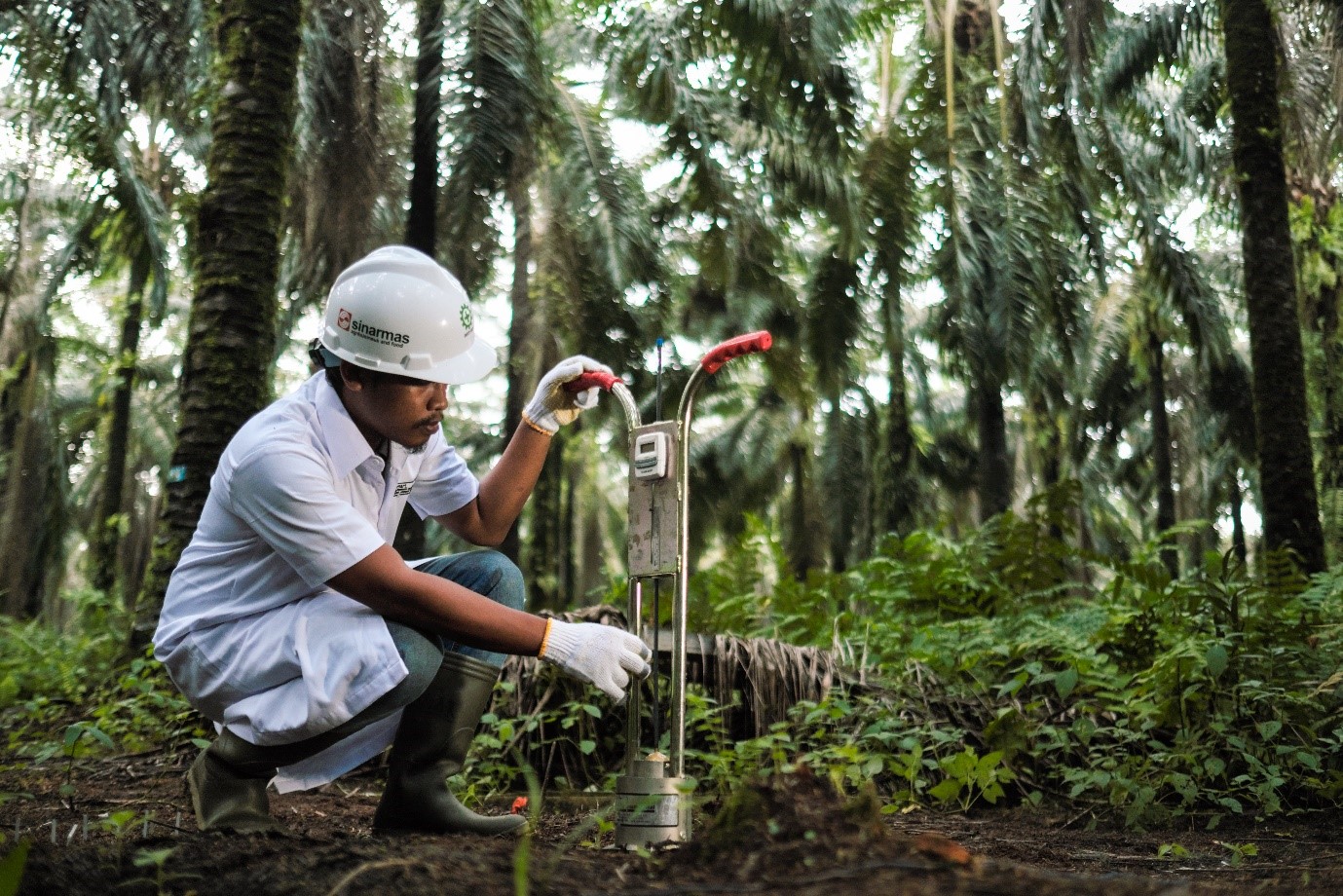
Using Automatic Weather Stations (AWS) and Internet of Things (IoT)-based systems, Felia monitors climate data in real time, helping plantation teams prepare for extreme conditions. “Even small changes in temperature and rainfall can impact productivity, so having accurate data is crucial,” she says.

Despite working in a traditionally male-dominated field, Felia remains focused. “Fieldwork isn’t easy, but persistence and results speak louder than stereotypes,” she says.
Her advice to aspiring women in science? “Take the leap. The industry needs fresh ideas, and women bring valuable perspectives to the table.”
Where tech meets the field, new gains revealed

Farming smarter, not harder – that’s the vision Tiara Kusuma Dewi, a Mechatronic Engineer at SMARTRI, is bringing to life. Using automation and AI, Tiara is reshaping agriculture, proving that innovation isn’t just for labs, but can make a real difference in the field too.
One of her most exciting projects is the Backpack Sprayer with AI – a precision herbicide spraying system that uses sensors, computer vision, and robotics to apply herbicides selectively. This helps farmers reduce chemical use, save water, and minimise their environmental impact.
Tiara’s work blends research, design, and collaboration. She partners with teams in Digital Innovation and Analytics (DIAD) and Crop Protection (CPD) to ensure the tech meets real-world farming needs. “My job is to bridge technical design and real-world challenges,” she explains.

Tiara’s passion for making tasks simpler and more efficient stems from her love for complex systems. She humorously credits her motivation to being “lazy and introverted”, finding joy in creating solutions that ease workloads for everyone around her.
Innovation starts with inclusion
At GAR, we believe that empowering women in science means creating an inclusive space where fresh ideas and collaboration drive progress. From the lab to the field, the women at SMARTRI are proving that diverse perspectives strengthen sustainable agriculture.
Join us in recognising their impact this International Women’s Day. #AccelerateAction
Discover how innovation and technology are changing the future of sustainable palm oil at GAR. From our advanced palm plantations to cutting-edge research labs, we’re enhancing product safety and yield intensity. Explore our efforts here.