

 Our Shared Values
 Our Business
 Our Achievements
 Our Governance
 Our Leadership
 Conservation Management & Monitoring
 Climate Change
 Community Engagement
 Partnerships & Memberships
 Human Rights & Labour
 Responsible Sourcing
 Responsible Production
 Certifications
 Sustainability Report
 Palm-based Food Products
 Other Food Products
 Oleochemicals
 Bioenergy
 Seeds
Seeds Sugar
Sugar Shipping & Logistics
 Food & Nutrition Innovation
 Animal Nutrition
 Press Releases
 Stories
 Meet Our Experts
 In the News
 Publications
 Shareholder Information
 Financial Highlights, Reports & Presentations
 SGX Filings
 Analyst Coverage
 Prospective Suppliers
 Support for Palm Suppliers
 Existing Non-Palm Suppliers
 FAQ
FAQ Graduates & Professionals
 Scholarships
 Internships & Traineeships
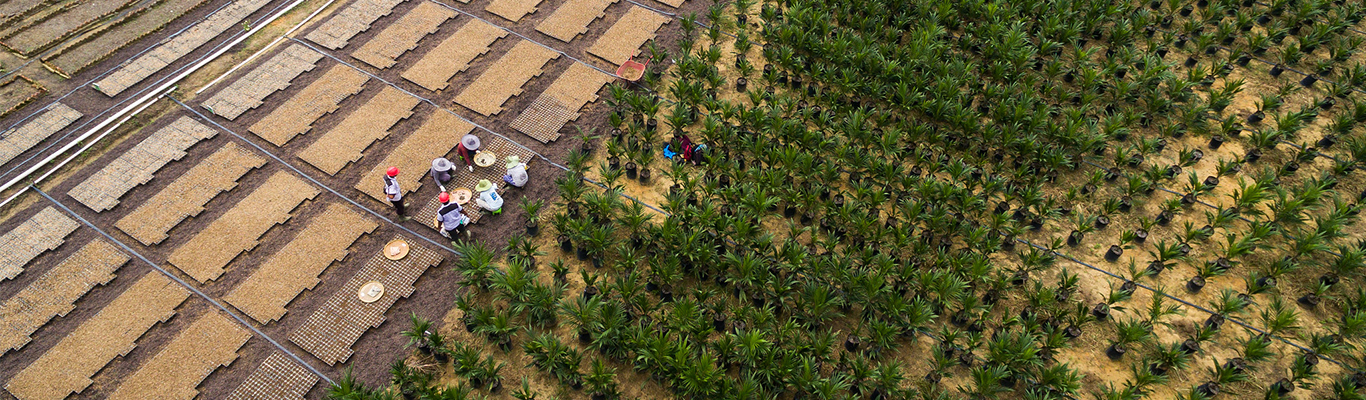
In the bustling world of palm oil production, from the hum of busy mills to the rhythm of boots on the plantation floor, one thing remains non-negotiable: safety.
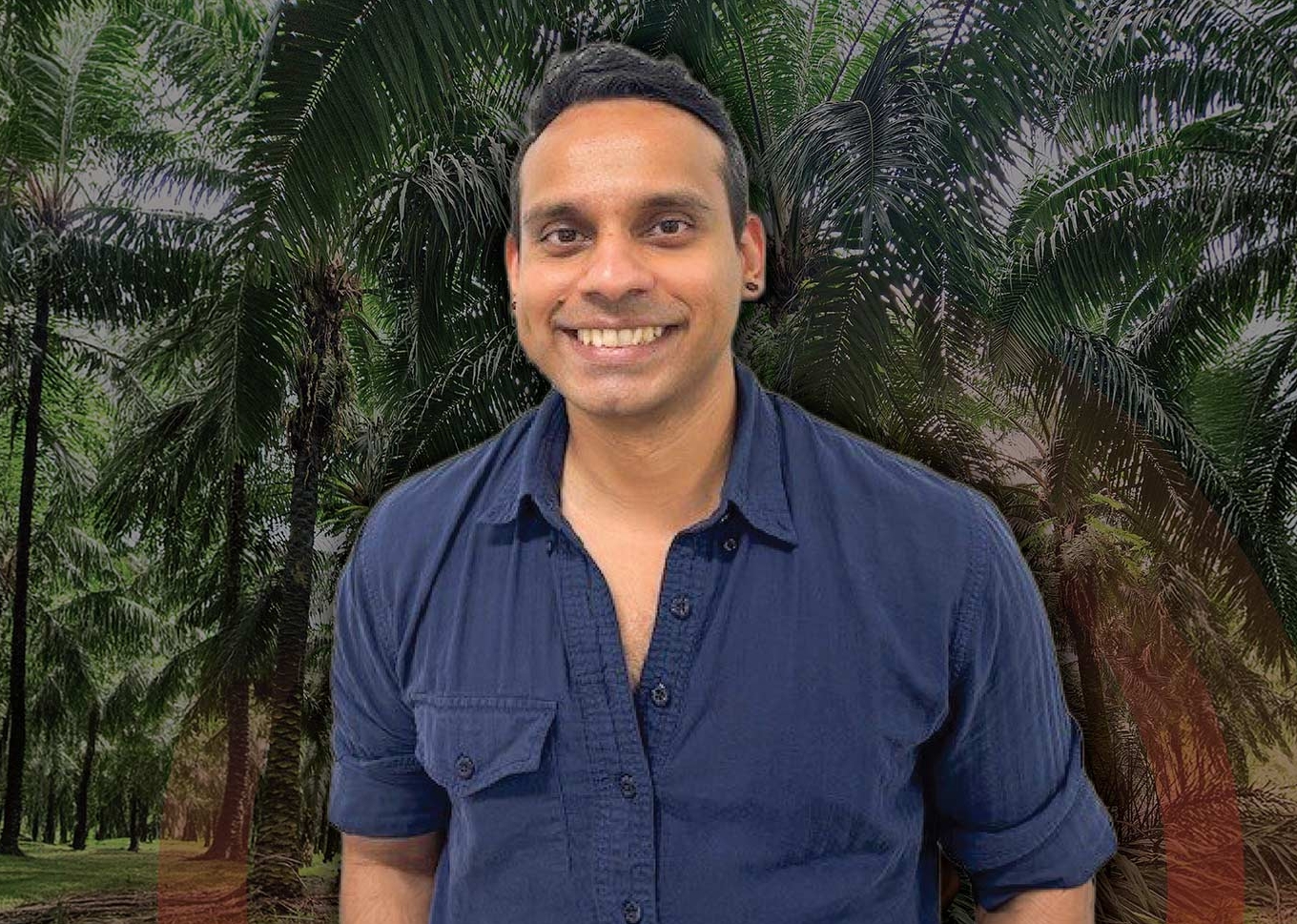
At GAR, ensuring workplace safety is a daily priority, protecting thousands of workers and helping them return home safe each day. Leading the charge in this vital effort is Febriana Supriati, an Occupational Health and Safety (OHS) officer dedicated to safeguarding workers across plantations and mills.
With over a decade of experience, Febriana has tackled one of the industry’s toughest challenges – changing mindsets. Safety isn’t just about following rules; it’s about transforming behaviours, eliminating risks, and ensuring no one is left behind.
A day in the life: Where safety begins

For Febriana, workplace safety starts with solid policies and effective implementation. Her role takes her to plantations and mills where she supervises and assesses the application of OHS policies and regulations.
On-site, she works closely with unit leaders and the sustainability team to review safety measures, identify gaps, and provide technical training and recommendations for improving safety practices.
“Workplace safety is about awareness. A single missed risk can lead to an accident,” she explains. Safety isn’t just crucial in high-risk environments; it’s just as important in office settings. Her role demands both attention to detail and a proactive approach to preventing accidents before they occur.

Making safety a shared responsibility
Rules alone won’t prevent accidents; people do. One of the biggest challenges in OHS is changing mindsets. Many workers still view safety as the sole responsibility of the OHS officer, rather than something everyone must own.
To build a safety-first culture, Febriana works to make safety relatable and practical. Rather than simply enforcing protocols, she explains their importance and how they affect daily operations.
Through regular training and ongoing engagement, she helps workers and supervisors identify hazards early and develop safer work habits. Changing habits takes time, but Febriana’s hands-on approach and consistent follow-ups ensure that safety becomes ingrained in daily practices.

She also emphasises the importance of worker involvement. “People are more likely to follow safety measures when they understand why they matter,” she says. By encouraging workers to voice safety concerns and participate in safety trials, she ensures that new protocols are both effective and practical.
Preventing accidents before they happen
“I don’t want to be a hero in a crisis. I want to be part of a system that makes sure the crisis never happens. So, if I never have a dramatic safety story to tell, that’s a good thing. It means our team is doing something right.”
While Febriana may not have one defining life-saving moment, she knows her work prevents accidents before they happen.
At GAR, high-risk tasks, such as working at heights or handling high-voltage equipment, require strict safety protocols. Febriana provides specialised training to ensure that workers are well-prepared to manage these risks.
A critical safety measure is the work permit, issued by the Safety Officer at each unit. This permit confirms that risk assessments are complete, preventive measures are in place, and workers are trained before tackling high-risk tasks. These steps help prevent accidents before they occur.

For machinery tasks, strict Lock Out Tag Out (LOTO) procedures are followed to ensure equipment is fully shut down before maintenance. This procedure involves physically locking the power source and tagging it to prevent accidental reactivation.
“Training is key to preventing accidents,” Febriana explains. “By equipping workers with the right knowledge, we significantly reduce the risk of incidents.”
When accidents do happen, the response is quick and thorough. Febriana and her team investigate the cause, learn from it, and ensure the lessons help prevent future incidents.
The future of workplace safety: Innovating for better protection
Workplace safety is constantly evolving, and at GAR, innovation plays a central role in staying ahead of risks. By embracing technology and continuously improving training, GAR is making safety more proactive than ever before.
This World Day for Safety and Health at Work on 28 April serves as a reminder that safety isn’t a one-time goal, but an ongoing commitment. Whether through technology, training, or mindset shifts, every effort today builds a safer workplace for tomorrow.
Safety is a shared responsibility. Explore our commitment to building a safer workplace through expert-led OHS management, training, and healthcare initiatives.