

 Our Shared Values
 Our Business
 Our Achievements
 Our Governance
 Our Leadership
 Conservation Management & Monitoring
 Climate Change
 Community Engagement
 Partnerships & Memberships
 Human Rights & Labour
 Responsible Sourcing
 Responsible Production
 Certifications
 Sustainability Report
 Palm-based Food Products
 Other Food Products
 Oleochemicals
 Bioenergy
 Seeds
Seeds Sugar
Sugar Shipping & Logistics
 Food & Nutrition Innovation
 Animal Nutrition
 Press Releases
 Stories
 Meet Our Experts
 In the News
 Publications
 Shareholder Information
 Financial Highlights, Reports & Presentations
 SGX Filings
 Analyst Coverage
 Prospective Suppliers
 Support for Palm Suppliers
 Existing Non-Palm Suppliers
 FAQ
FAQ Graduates & Professionals
 Scholarships
 Internships & Traineeships
The Middle East is undergoing a food revolution. Once heavily reliant on imports, the region is now emerging as a dynamic global food hub, fuelled by growing incomes, evolving consumer habits, and a renewed focus on food security. As demand for sustainable, high-quality food solutions rises, businesses are ramping up their innovation efforts – and GAR is at the heart of it, co-creating practical, long-term solutions with local partners.
Since opening its Dubai office in 2024, GAR has been strengthening its presence in the Middle East and Africa, bringing decades of expertise in food innovation, sustainability, and specialty fats to this fast-evolving market.
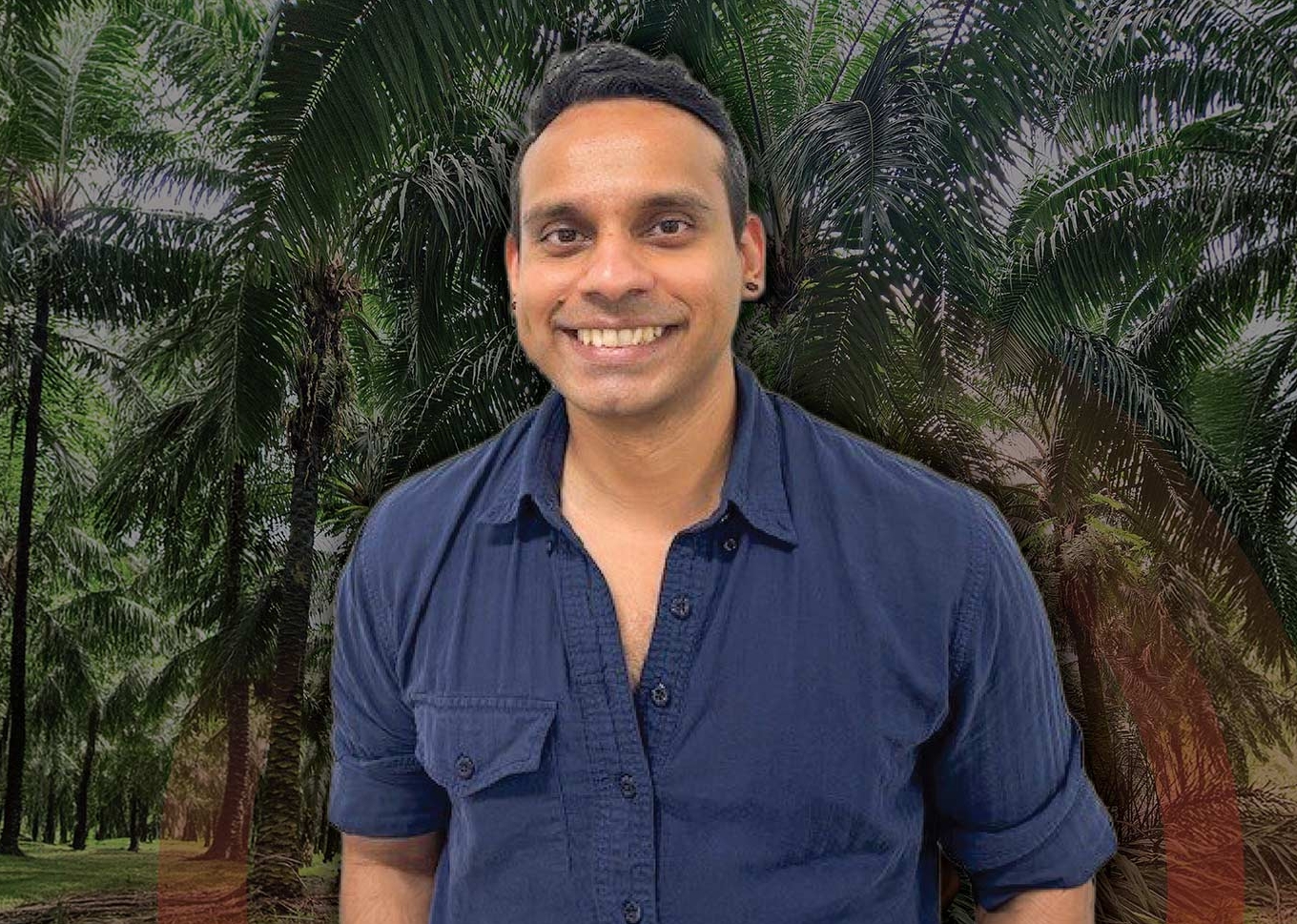
To learn more about GAR’s vision and role in shaping the region’s food future, we spoke with Imran Nasrullah, Managing Director for Africa, the Middle East, and South Asia (AMESA).

Q: Why did GAR decide to set up an office in Dubai?

Imran:
The Middle East and Africa are key markets for us, but up until now, we’ve been somewhat underrepresented. While we’ve had a presence in Pakistan since 2013, we needed a stronger foothold to better serve our customers, monitor emerging trends, and participate more actively in food security discussions.
Dubai, as a major trade and business hub, is the ideal gateway to the region. It’s where key industry players gather, making it the perfect location for our expansion. Having an office here allows us to build stronger relationships with customers, develop products tailored to local needs, and forge strategic partnerships that will drive growth in the region.
Q: What makes the Middle East a key growth market for GAR?
Imran:
The region is undergoing significant demographic shifts – population growth, rising incomes, and evolving food preferences are all contributing to increased demand for innovative, high-quality food products. For example, Saudi Arabia’s population is growing rapidly, and the UAE is expected to double its population soon. This is creating an even bigger need for food solutions that cater to a more health-conscious, diverse consumer base.
In addition, food security is becoming an even more pressing concern. Many Middle Eastern countries rely heavily on food imports, making reliable and sustainable supply chains more important than ever. As a leader in agribusiness, GAR is uniquely positioned to help meet the region’s food security goals with sustainable, high-quality palm-based solutions.
Q: What major trends are shaping the Middle East’s market today?

Imran:
There are a few key trends that are driving the market forward: snacking, portion control, and the growing demand for specialty fats. Consumers are becoming more health-conscious and are shifting toward smaller portion sizes and healthier food choices.
For example, there’s a clear demand for lower-sugar products, and trends around weight management are influencing how people approach food. As a result, we’re seeing innovation across confectionery, bakery, and specialty fats to meet these new needs – consumers are looking for smaller, nutrient-dense options.
Q: How is GAR adapting its product innovation to meet these consumer demands?
Imran:
“To understand this market, you need to be here, listening, adapting, and building real relationships. The Middle East is changing; people want better food, more transparency, and stronger food security. That’s why we’re in Dubai, working with partners to create solutions for the people in this region.”
At GAR, we’re using our R&D capabilities to create customised food solutions. We work closely with our customers to develop specialty fats that enhance the texture, mouthfeel, and overall quality of products like chocolates, pastries, and dairy alternatives.
Our global R&D innovation centres in Indonesia allow us to test and refine solutions that are specifically tailored to local market preferences. So, rather than just providing raw ingredients, we collaborate with food manufacturers to create products that resonate with consumers here.
Q: Food security is a major concern for the Middle East. How is GAR contributing to food security discussions and solutions?
Imran:
By 2050, global food demand will require an additional 200 million tonnes of vegetable oil. The challenge is not just producing more, but producing it sustainably.
GAR is addressing this challenge by ensuring a stable, sustainable supply of palm-based food solutions. We’re collaborating with governments, businesses, and food manufacturers to create resilient supply chains that can meet the region’s growing demand for food, all while maintaining sustainability.
Q: How is GAR educating Middle Eastern customers on sustainability and traceability?
Imran:
Education is essential when it comes to understanding the importance of traceability and sustainable sourcing, and the investments required to make it happen.
We’re actively engaging with partners, industry bodies, and customers to share best practices around responsible sourcing, sustainable palm oil production, and carbon reduction strategies. These are lessons we’ve learned over many years, and we aim to help Middle Eastern businesses prepare for future regulatory changes while reinforcing their own sustainability commitments.
Q: What’s next for GAR in the Middle East? What are the biggest opportunities for palm-based food solutions in this region?

Imran:
We see tremendous opportunities for growth, especially in expanding our specialty fats business and developing new food formulations specifically for the Arab market. We’re also investing in local R&D and food technology labs to drive innovation that’s tailored to regional tastes and needs.
But we’re taking a long-term approach. GAR has been around for a long time, and we know that sustainable growth doesn’t happen overnight. It requires the right partnerships, the right conditions, and a commitment to shared success.
While financial growth is important, it’s just one part of the equation. True success comes from building strong partnerships, being part of key conversations on food security, and developing solutions that meet the region’s needs. When we’re invited to help shape the future of food in the Middle East, that’s when we know we’re making a real impact.

About Imran:
Imran Nasrullah is Golden Agri-Resources’ Managing Director for the Africa, Middle East, and South Asia. He has spent nearly a decade working in Indonesia and has a deep knowledge of its palm oil sector. He now focuses on growing GAR’s presence across the region through strategic partnerships and opportunities in the agriculture and food sectors.
Discover how GAR’s fully integrated value chain delivers efficiency and expertise at every stage – driving impact on a global scale. Explore our worldwide presence here.