

 Our Shared Values
 Our Business
 Our Achievements
 Our Governance
 Our Leadership
 Conservation Management & Monitoring
 Climate Change
 Community Engagement
 Partnerships & Memberships
 Human Rights & Labour
 Responsible Sourcing
 Responsible Production
 Certifications
 Sustainability Report
 Palm-based Food Products
 Other Food Products
 Oleochemicals
 Bioenergy
 Seeds
Seeds Sugar
Sugar Shipping & Logistics
 Food & Nutrition Innovation
 Animal Nutrition
 Press Releases
 Stories
 Meet Our Experts
 In the News
 Publications
 Shareholder Information
 Financial Highlights, Reports & Presentations
 SGX Filings
 Analyst Coverage
 Prospective Suppliers
 Support for Palm Suppliers
 Existing Non-Palm Suppliers
 FAQ
FAQ Graduates & Professionals
 Scholarships
 Internships & Traineeships
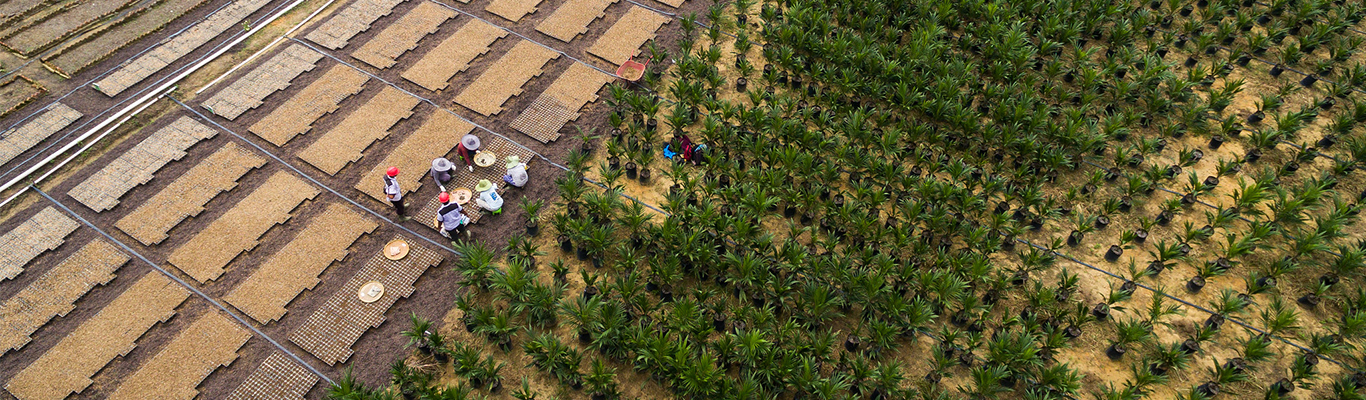
We spread it on bread, melt it in pans, and fold it into pastries. But have you ever wondered what’s actually in margarine – and what makes it work so well?
For both bakers and food producers, margarine isn’t just a pantry staple. It’s a critical ingredient that affects texture, taste, and consistency, especially at scale. At GAR, we’ve spent years perfecting our margarine. We blend high-quality plant-based oils with precision production, innovation, and strict quality control to deliver consistent results for everyone, from home cooks to global manufacturers.
Here’s how we make sure it’s up to the task.
What makes a good margarine?

It all starts with the right formulation. At GAR, we focus on key qualities that ensure our margarine performs flawlessly across a wide range of uses – whether it’s for spreading, baking, or industrial dough applications.

Fat content and melting point
Our margarine typically contains around 80% fat – essential for structure and performance. A balanced melting curve ensures spreadability at room temperature, while holding firm in laminated doughs and frying applications.

Texture and spreadability
A smooth, pliable texture reduces cracking and enhances mixability – vital for sponge cakes, pastries, and consistent dough work. Whether for industrial lines or hand-formed bakes, good margarine behaves predictably.

Stability and shelf life
We formulate for resilience. Our margarine maintains performance in hot or humid climates, holding its shape and integrity through storage and transport.

Flavour and aroma
Whether fruity or butter-flavoured, our margarine is designed to hold its flavour profile under heat – avoiding off-notes and supporting consistent results across batches.

Trans-fat-free formulation
All our margarine products are free from partially hydrogenated oils, aligning with global food safety standards and meeting consumer expectations for healthier options.

Versatile functionality
From creaming and baking to frying and finishing, our margarine delivers high-quality outcomes that bakers and chefs can count on.
From oils to spread: How margarine is made?

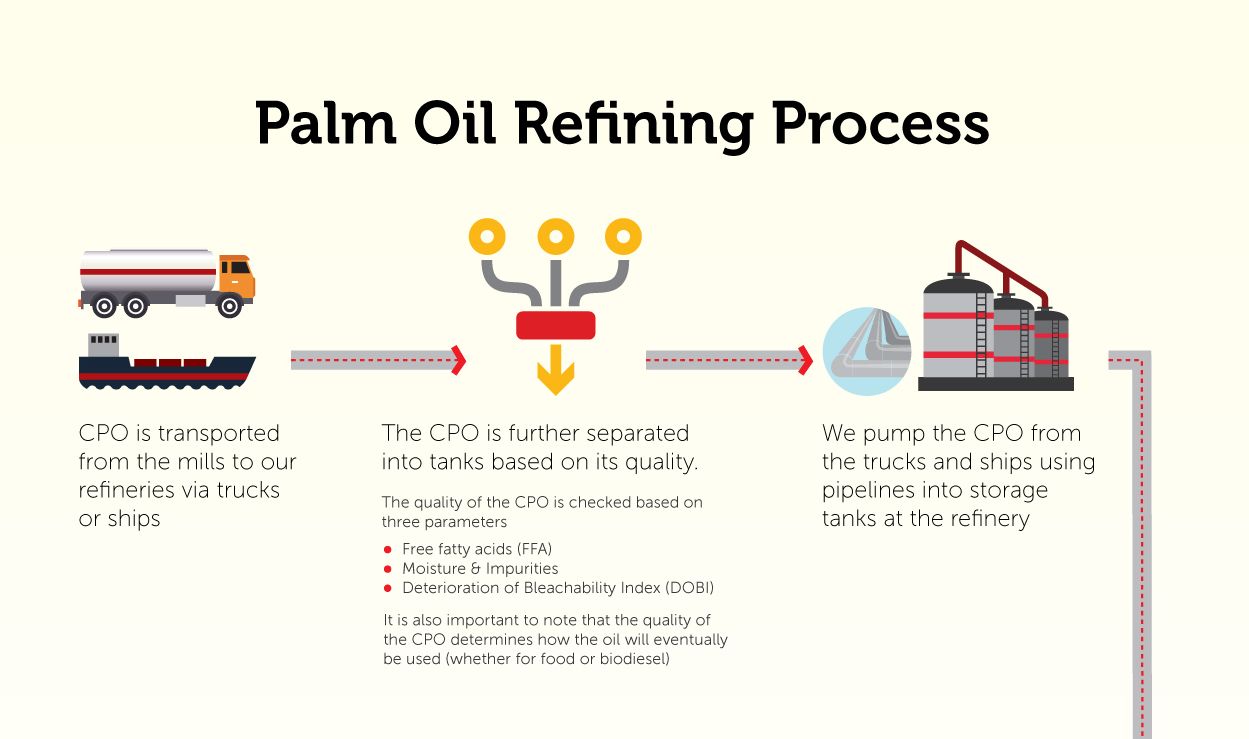
The process begins with selecting the right oils. GAR uses sustainably and responsibly sourced palm oil as a base – prized for its neutral taste, versatility, and ability to stay stable under different cooking and baking conditions.
But making great margarine takes more than just good ingredients. It’s a science that requires precision, control, experience and teams that know the process inside out.
“People may think it’s just mixing oil and water – but there’s a lot more going on behind the scenes,” explains Djoviantina, our Margarine & Shortening (Marsho) & Filling Department Head at the Surabaya refinery. “You need the right ratio, the right temperature, mixing, and the right crystallisation curve to get the texture customers want.”
The process follows a series of tightly controlled steps:

Blending different palm oil fractions to reach the ideal fat profile

Emulsifying with water, lecithin, and stabilisers for smooth, spreadable texture

Chilling and packaging in hygienic, temperature-regulated environments

Crystallising and cooling the fat matrix to set the right structure and control consistency
Each batch is monitored in real-time, using pre-set recipes in our automated system that track temperature, pressure, and flow. “Our job is to make every batch behaves the same – from the first carton to the last,” Djoviantina adds. “When you open the tub, it should spread the same, melt the same, and bake the same.”
From control room to QC lab: The craft of consistency

Behind every batch of margarine is tight process control and sharp attention from the people who run it.
Our Marsho (Margarine & Shortening) team runs a well-tuned operation. From temperature control to crystallisation timing, their every step affects the final product’s performance.
“We monitor multiple parameters in real time,” says Fendi Kuncoro, Marsho Section Head at GAR’s Surabaya refinery. “Fat content, plasticity, moisture, salt content, melting point – they all need to fall within tight limits. We also control pasteurisation temperature and check the product’s filling temperature for proper texture. If anything is off, we stop the line and investigate.”
Along the way, operators carry out in-line checks for pH, moisture, and consistency, while the Quality Control (QC) team performs lab-based tests on randomised samples. “We also look at things we can’t see with the eye,” adds Fendi. “Oxidative stability, microbiological safety – those tests tell us how well the product will hold up across shelf life, especially in hot and humid conditions.”
More than a spread: Why margarine matters

Margarine isn’t just something you keep in the fridge. It’s a functional fat that supports large-scale food production.
At GAR, we create margarines tailored for industrial use; from dough fats for soft breads to table margarine for commercial kitchens.
“Industrial buyers aren’t looking for marketing buzzwords,” says Narayana Kusuma, Head of Marsho & Consumer Pack Business. “They’re looking for consistency – firmness, flavour, melting point, and texture – and a product that performs the same across different climates and batch sizes.”
Unlike household margarine, which is often marketed for spreading or pan-cooking, GAR’s industrial margarine products are formulated for specifically for businesses – from home kitchens to multinational food brands. That means customisation is key. Our technical team works closely with clients to adjust properties to match specific end-product requirements – whether for better dough handling, structure, or taste.
While health trends like vegan and trans-fat-free do help differentiate our products in the market, they’re not the primary drivers of purchase. “Our role is to offer the customer choices,” Narayana adds. “Cleaner label, plant-based, fortified – these features help position our margarine in certain niches, but ultimately, it’s all about delivering performance.”
Thanks to GAR’s vertically integrated supply chain, we ensure quality control at every step – from sourcing raw materials to refining and reformulation to final delivery. With built-in traceability, stable supply, and in-house R&D, we help food brands meet their production goals with confidence.
Frequently Asked Questions (FAQs)
Whether you’re baking at scale or creating the next big thing in food, the right margarine makes all the difference. Explore our palm-based ingredients made to perform and deliver.