

 Our Shared Values
 Our Business
 Our Achievements
 Our Governance
 Our Leadership
 Conservation Management & Monitoring
 Climate Change
 Community Engagement
 Partnerships & Memberships
 Human Rights & Labour
 Responsible Sourcing
 Responsible Production
 Certifications
 Sustainability Report
 Palm-based Food Products
 Other Food Products
 Oleochemicals
 Bioenergy
 Seeds
Seeds Sugar
Sugar Shipping & Logistics
 Food & Nutrition Innovation
 Animal Nutrition
 Press Releases
 Stories
 Meet Our Experts
 In the News
 Publications
 Shareholder Information
 Financial Highlights, Reports & Presentations
 SGX Filings
 Analyst Coverage
 Prospective Suppliers
 Support for Palm Suppliers
 Existing Non-Palm Suppliers
 FAQ
FAQ Graduates & Professionals
 Scholarships
 Internships & Traineeships
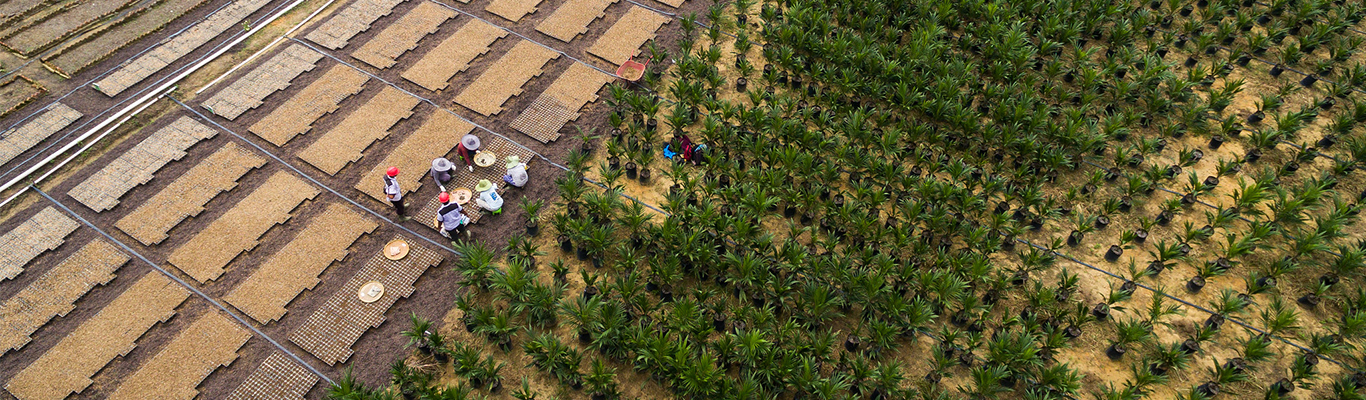
What if the secret to better food starts with the fats you choose?
Step into any bakery, snack factory, or kitchen, and you’ll find that fats play a bigger role than most people realise. Food technologists have unlocked the secret of fractionation – splitting palm oil into two powerful building blocks: palm stearin and palm olein.
Each one has a unique job – helping foods hold their shape, stay fresh, or crisp up just right. Understanding how to use these building blocks is the art of great food. Explore the differences, uses, and how GAR’s team of experts help food producers get it right, every time.
Key takeaways:
What is palm oil fractionation and why does it matter?
Palm oil is naturally rich, golden, and versatile. But it doesn’t stay the same in every application. To create tailored ingredients for modern food, palm oil undergoes a process called fractionation. This process gently cools and separates palm oil into two main parts:


“Fractionation lets us unlock the full potential of palm oil,” explains Isti Christianti, R&D Category Sub Division Head at GAR. “Instead of one ingredient, we get two with unique properties – one gives structure, the other gives flow. That versatility drives innovation in almost every aisle of the supermarket.”
Fractionation is a technical step to design the right fat for the right job, reducing the need for partial hydrogenation (which can create trans fats) and making palm oil even more valuable for food makers seeking healthier and reliable performance.
Palm stearin uses: The solid choice for structure and texture

When food needs to stand tall, palm stearin is the backbone. It’s solid at room temperature, with a high melting point, making it essential for:


“Stearin is our go-to when a recipe needs shape and stability,” says Isti. “It helps keep margarine and shortening from melting on a warm shelf, and gives baked goods the structure to rise and hold together. The result is food that looks and feels just right.”
Palm olein in food: Why this liquid fat is a frying favourite
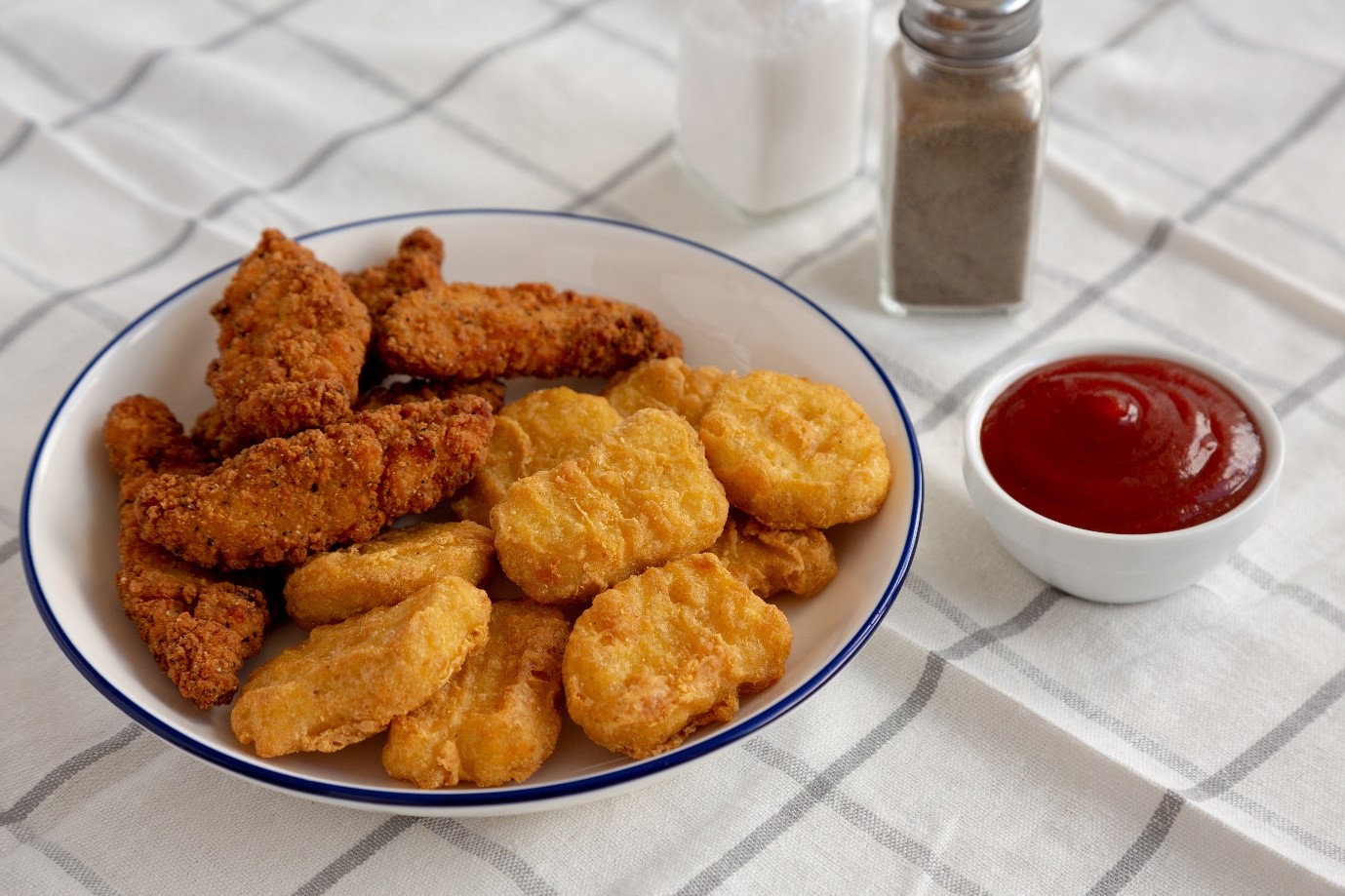
Pour a bottle of cooking oil, and chances are you’re holding palm olein. This golden, clear oil flows freely even in ambient temperature, thanks to its low melting point and balanced fatty acid profile.
Palm olein is prized for juiciness and freshness, commonly used in:


“Palm olein is highly stable for high-heat cooking, so it breaks down less and avoids producing off-flavours the way some other oils do,” says Isti. “It keeps fried foods crisp for longer and preserves their original taste, thanks to palm olein’s mild and neutral profile. That’s why it’s loved in both food service and home kitchens.”
Palm stearin vs palm olein: How to choose the right fat for food products
Choosing between stearin and olein comes down to what your product needs to do. Here’s how GAR’s R&D team helps food brands make the right call:
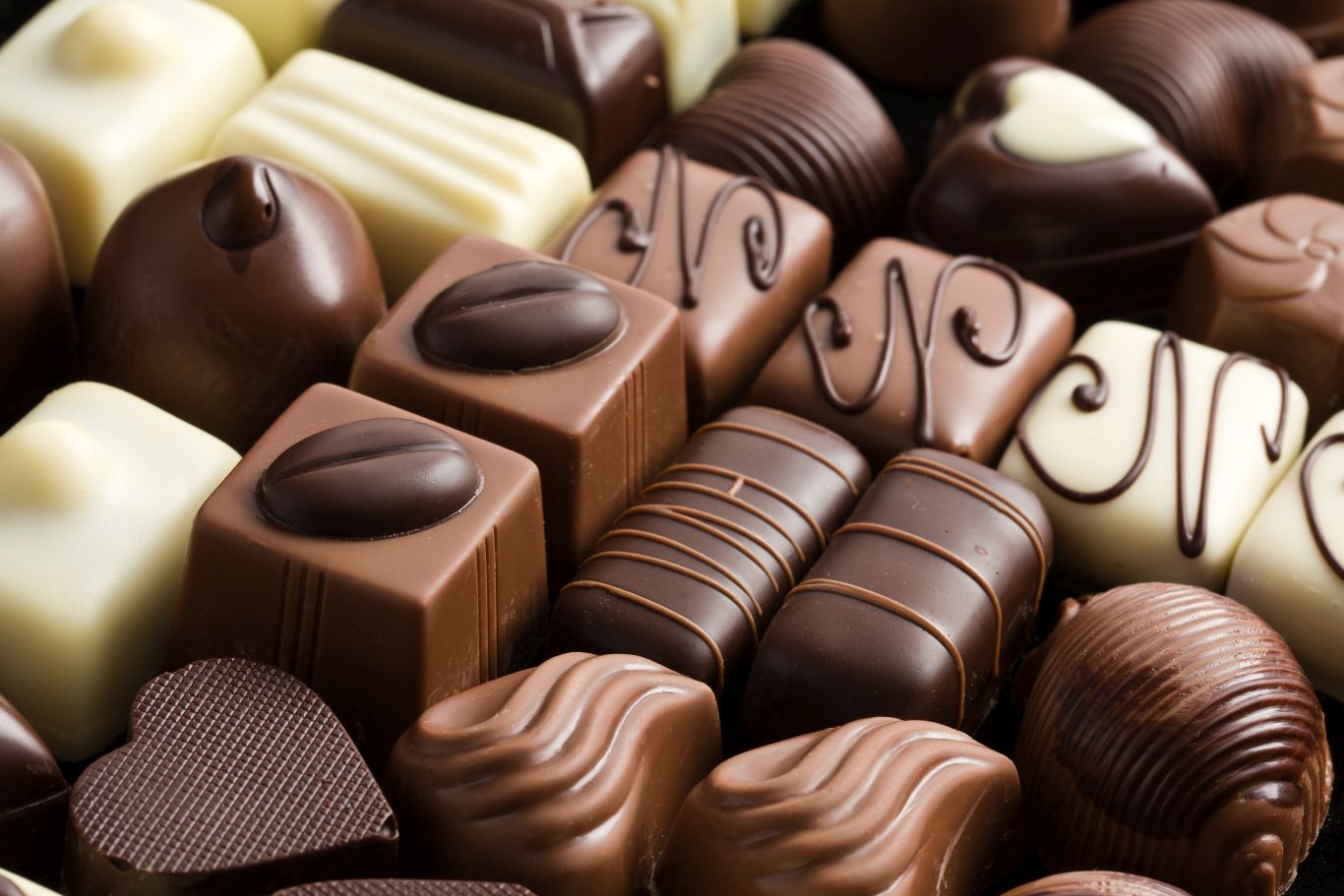
• Texture: If you want solid, firm texture (think pastry, icing, filled chocolate), stearin is your best bet. For pourable, smooth or crispiness (frying oils, snacks, and dressings), olein leads the way.
• Stability: Stearin stabilises products at higher temperatures. Olein keeps oils clear and usable even in ambient condition.
• Processing needs: Some recipes blend both, taking advantage of stearin’s firmness and olein’s flexibility.
“We start with what the food needs to deliver – taste, texture, shelf life,” says Isti. “Then we select the right palm fraction, or even blend them, to get the ideal balance. This helps our customers save time in development.”
For processing needs, a blend of olein and stearin fractions offers excellent frying performance. This type of product is known as frying fat. The stearin content provides a solid and firm texture at room temperature, while its higher saturation makes it more resistant to oxidation. The result is crispier food and greater stability at high temperatures. With the right ratio of both fractions, it becomes an ideal solution for deep-frying.
The table below sums up what sets palm stearin and palm olein apart, so you can make the best choice for your product.
| Criteria | Palm stearin | Palm olein |
|---|---|---|
| State at room temp | Solid | Liquid |
| Melting Point | Higher (44°C min) | Lower (24°C max) |
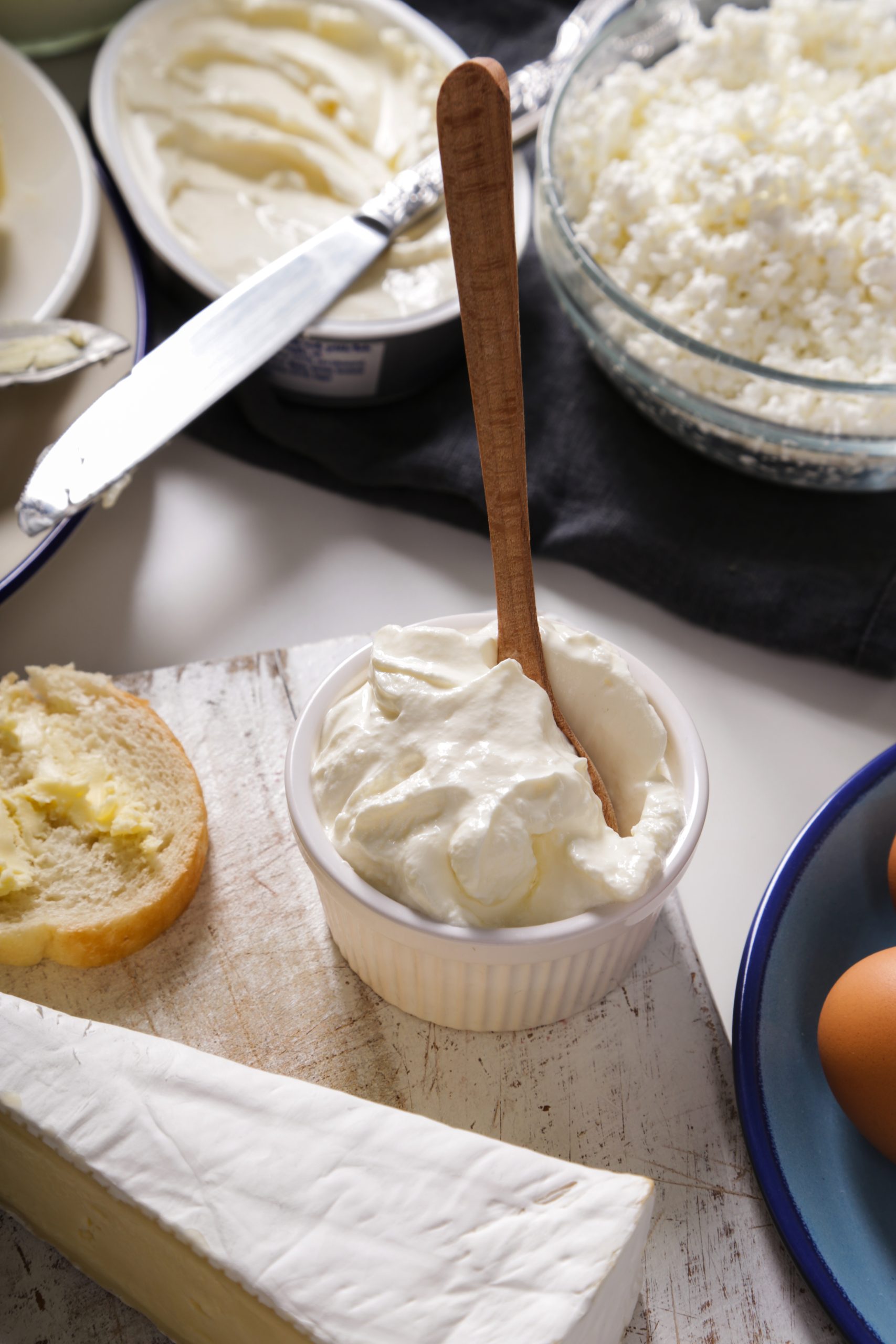
| Key uses | Margarine, bakery products, buttercream/cream fillings | Frying, dressings, sautéing |
| Benefits | Structure, texture | Heat stability, clarity, smooth pour, neutral taste |
| Criteria | Palm stearin | Palm olein |
|---|---|---|
| State at room temp | Solid | Liquid |
| Melting Point | Higher (44°C min) | Lower (24°C max) |
| Key uses | Margarine, bakery products, buttercream/cream fillings | Frying, dressings, sautéing |
| Benefits | Structure, texture | Heat stability, clarity, smooth pour, neutral taste |
Frequently Asked Questions (FAQs)
Understanding palm stearin and olein unlocks new possibilities to create foods that are more stable, appealing, and efficient to produce. With GAR’s products and technical expertise, you can always find the right ingredient for the job.
Explore our palm-based food product range.