

 Our Shared Values
 Our Business
 Our Achievements
 Our Governance
 Our Leadership
 Conservation Management & Monitoring
 Climate Change
 Community Engagement
 Partnerships & Memberships
 Human Rights & Labour
 Responsible Sourcing
 Responsible Production
 Certifications
 Sustainability Report
 Palm-based Food Products
 Other Food Products
 Oleochemicals
 Bioenergy
 Seeds
Seeds Sugar
Sugar Shipping & Logistics
 Food & Nutrition Innovation
 Animal Nutrition
 Press Releases
 Stories
 Meet Our Experts
 In the News
 Publications
 Shareholder Information
 Financial Highlights, Reports & Presentations
 SGX Filings
 Analyst Coverage
 Prospective Suppliers
 Support for Palm Suppliers
 Existing Non-Palm Suppliers
 FAQ
FAQ Graduates & Professionals
 Scholarships
 Internships & Traineeships

What makes food irresistible? Before flavour even kicks in, it’s the feel, that first bite that creamy texture, that satisfying crunch.
Today’s consumers are more discerning than ever. They want food that doesn’t just taste good but feels just right too. From the smooth melt of chocolate to the light fluffiness of whipped toppings or the crunch of layered snacks, texture is becoming a major driver of indulgence, health, and clean-label demand.
This shift is reshaping how food is formulated. For producers, it’s about delivering standout sensory experiences, while still meeting expectations for sustainability, nutrition, and transparency.
So, what is mouthfeel really about, and how can our ingredients help your products shine? Let’s dive in.
Why mouthfeel matters more than ever
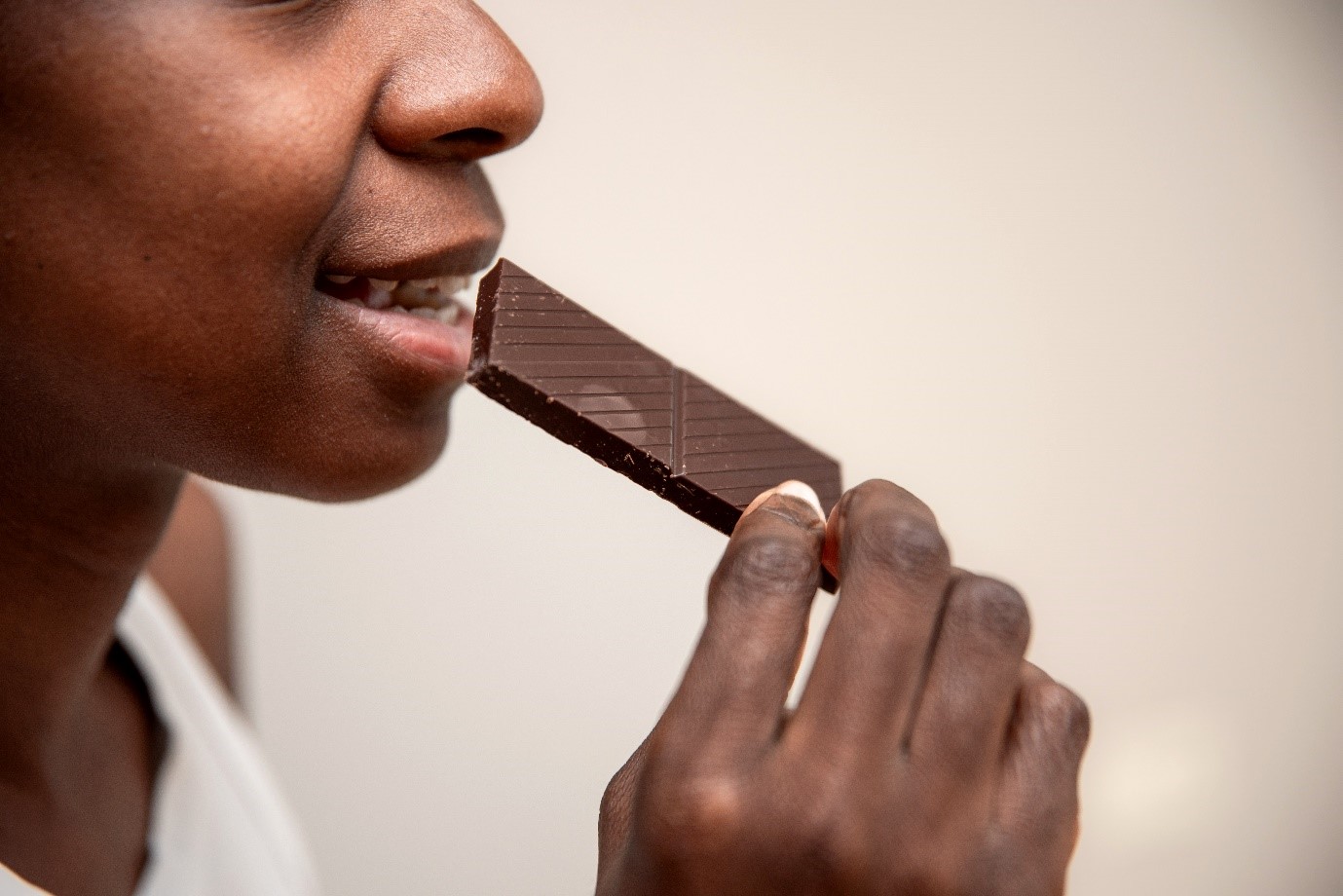
Mouthfeel is how food feels as you eat it – creamy, chewy, crisp, crumbly. It influences how we judge quality, often just as much as taste. In fact, 37% global consumers now say texture is just as important as flavour when choosing what to eat and drink.
It’s easy to see why. A plant-based ice cream that feels icy instead of creamy? A dairy-free topping that’s too dense or too airy? Even with great flavour, the experience falls flat.
As brands move toward healthier reformulations, cutting sugar, reducing fat, switching to dairy alternatives, they often lose texture in the process. The challenge: rebuilding that feel-good factor without compromising on taste or clean-label goals. That’s where specialty fats come in.
Specialty fats do more than just bind ingredients. They influence how a product melts, how flavour is released, and how rich or smooth it feels on the palate. The right fat can restore indulgence and structure, even in reformulated or plant-based products.
How our palm-based fats help shape mouthfeel

From chocolate and confectionery to dairy alternatives and ice cream, the texture and sensory quality of a product are shaped by the physical and chemical properties of fats, things like melting point, structure, and blend composition.
“At GAR, we fully recognise that each type of food has unique requirements depending on how it is made, served, and consumed,” says Mochammad Hirza Nadia, Fat-Based Product Senior Technologist at GAR. “Our palm-based specialty fats are specifically designed to meet those requirements – whether for functional performance or sensory appeal.”
“A chocolate praline requires a fat that not only maintains glossiness and provides good heat resistance, but also delivers an excellent sensory experience when consumed. Meanwhile, a non-dairy creamer needs a fat that offers a strong whitening effect and stable emulsion, while also contributing to a creamy mouthfeel,” Hirza adds. “We cannot prioritise certain characteristics while neglecting others. That’s why, at GAR, we take all critical requirements into account when designing our fat product variants – to help brands meet both functional and emotional expectations, such as indulgence, smoothness, and overall satisfaction.”
Our fats in action:

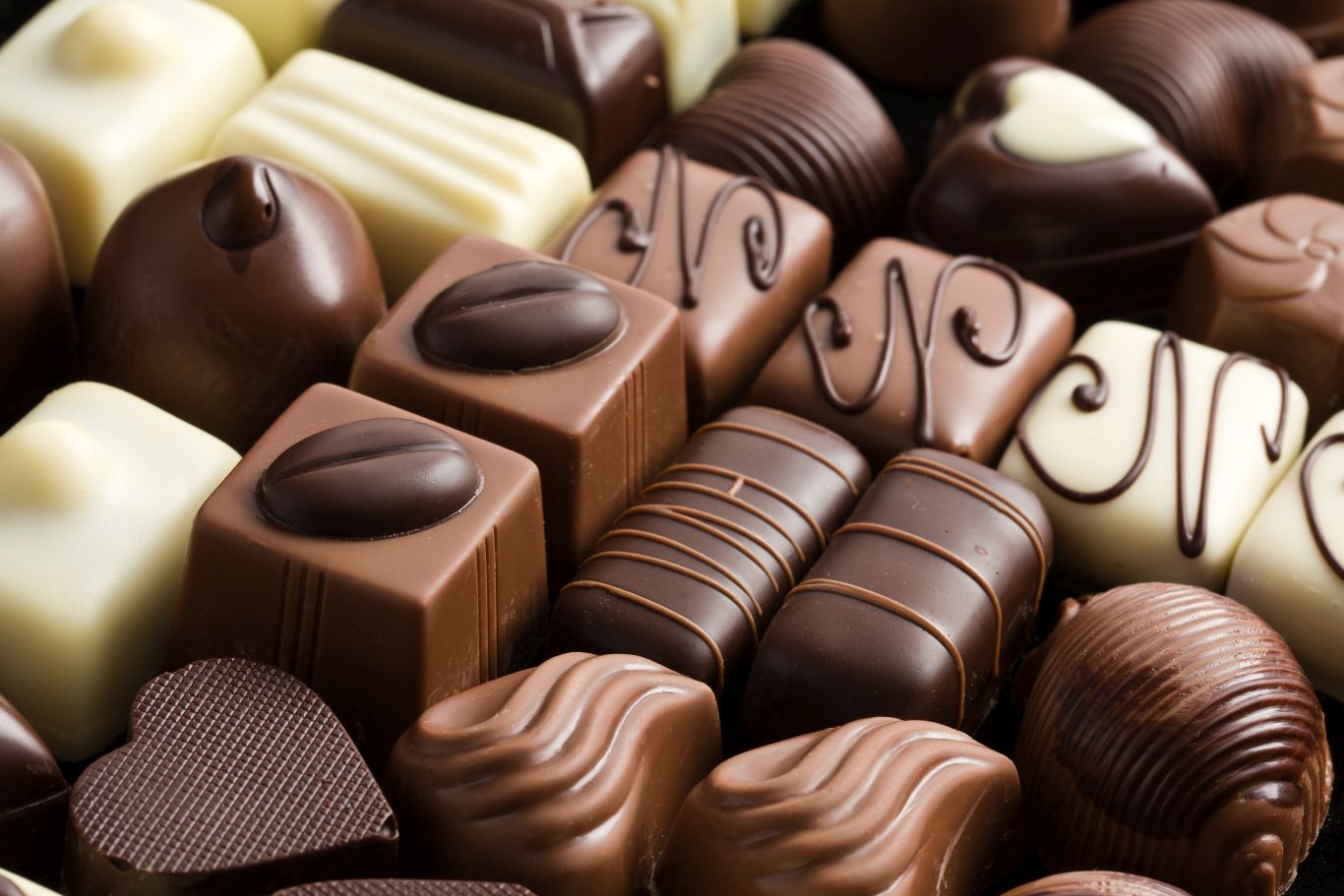
Designed to mimic the melt and gloss of cocoa butter, our CBS are tailor-made to perform well across a variety of applications. “Our CBS products not only offer good heat resistance and long-lasting glossiness, but also deliver quick flavor release and a pleasant cooling sensation,” says Hirza. “We fine-tune it to achieve both exceptional functional performance and sensory appeal—both of which are essential for consumer satisfaction.”

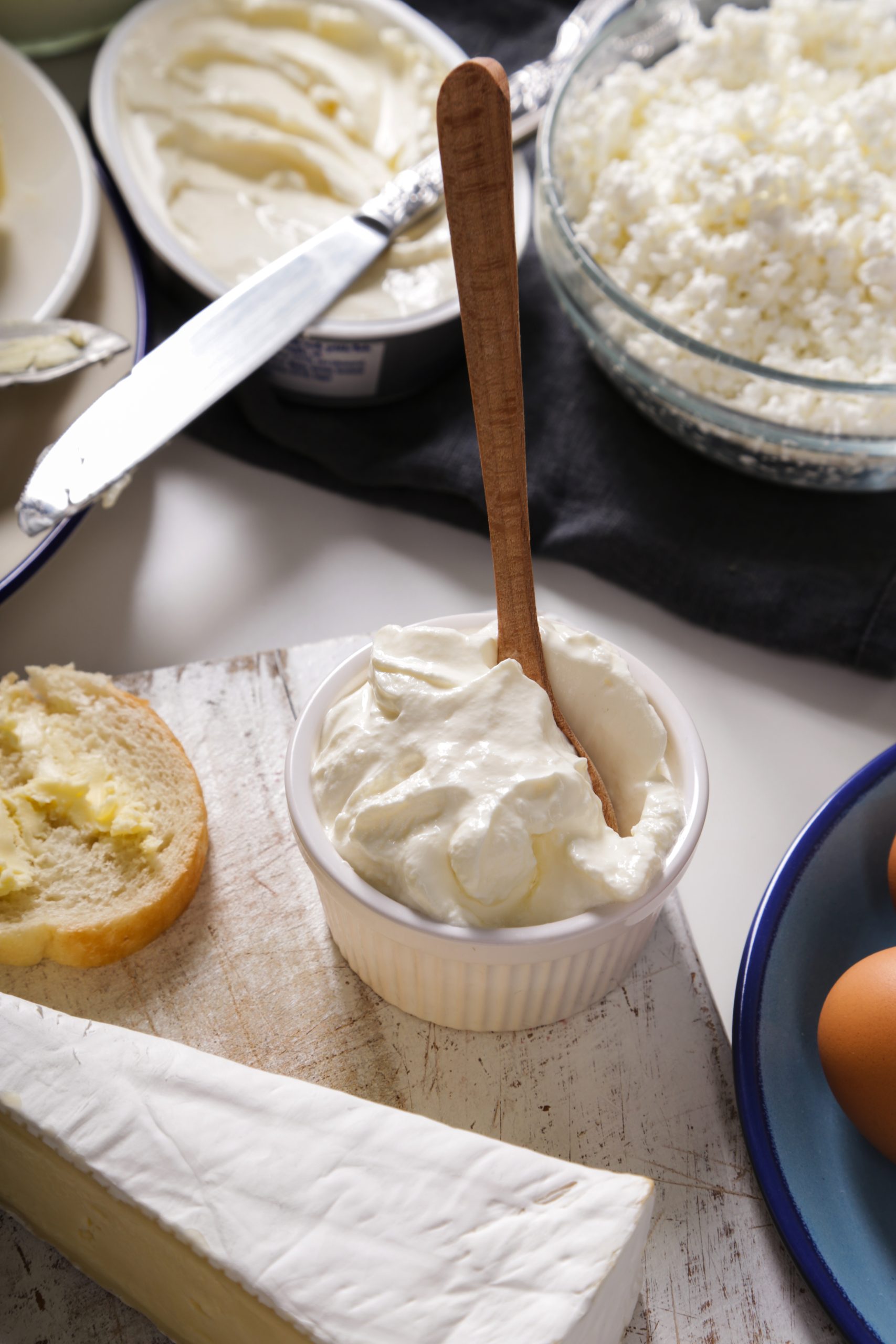
Commonly used to enhance creamy mouthfeel, our milk fat replacers are suitable for a wide range of applications, such as creamers and toppings. “By adjusting the composition and melting profile, we help brands achieve consistent richness across various product formats – whether hot or cold, liquid or aerated,” Hirza notes.

Our palm-based ice cream fat replacers are developed to support consistent product quality while improving consumer satisfaction. They deliver a thick mouthfeel and long-lasting creaminess – key attributes for a pleasant ice cream experience. “We use well-sourced materials to help maintain the rich texture of ice cream, while also ensuring a stable and reliable supply for manufacturers seeking consistent performance,” he adds.
With vertical integration from plantation, R&D, to mass-production, GAR gives food manufacturers more than just ingredients – we deliver control, consistency, and confidence in every formulation.
From test kitchen to tastebud: Crafting indulgence with specialty fats

Even the most precisely engineered fat is only as good as its performance in the kitchen.
In our pilot facility at Marunda R&D Centre, our in-house experts like Chef Garry play a role in bridging the gap between product innovation and practical application. His insights help ensure that every fat formulation not only works in theory but delivers indulgence at scale – for industrial bakeries, confectioners, and food brands alike.
“Mouthfeel is multi-dimensional,” Chef Garry explains. “It’s not just how a chocolate coating melts – it’s how it coats the palate, how it releases flavour, how it finished. When you’re cooking for people, those details define quality.”
Through iterative trials, Chef Garry helps the team refine parameters like solid fat content and polymorphic behaviour – transforming fats like cocoa butter substitutes (CBS) from raw inputs into solutions that perform in real world.

This hands-on feedback loop ensures GAR’s fats are functional and tested for flavour release, sensory appeal, and resilience. Because when it comes to mouthfeel, it’s the experience that seals the deal – and our role is to help you get it just right.
Frequently Asked Questions (FAQs)
From creaminess to crunch, texture defines the eating experience. Discover how our fats make every bite count.
Browse our specialty fats solutions.